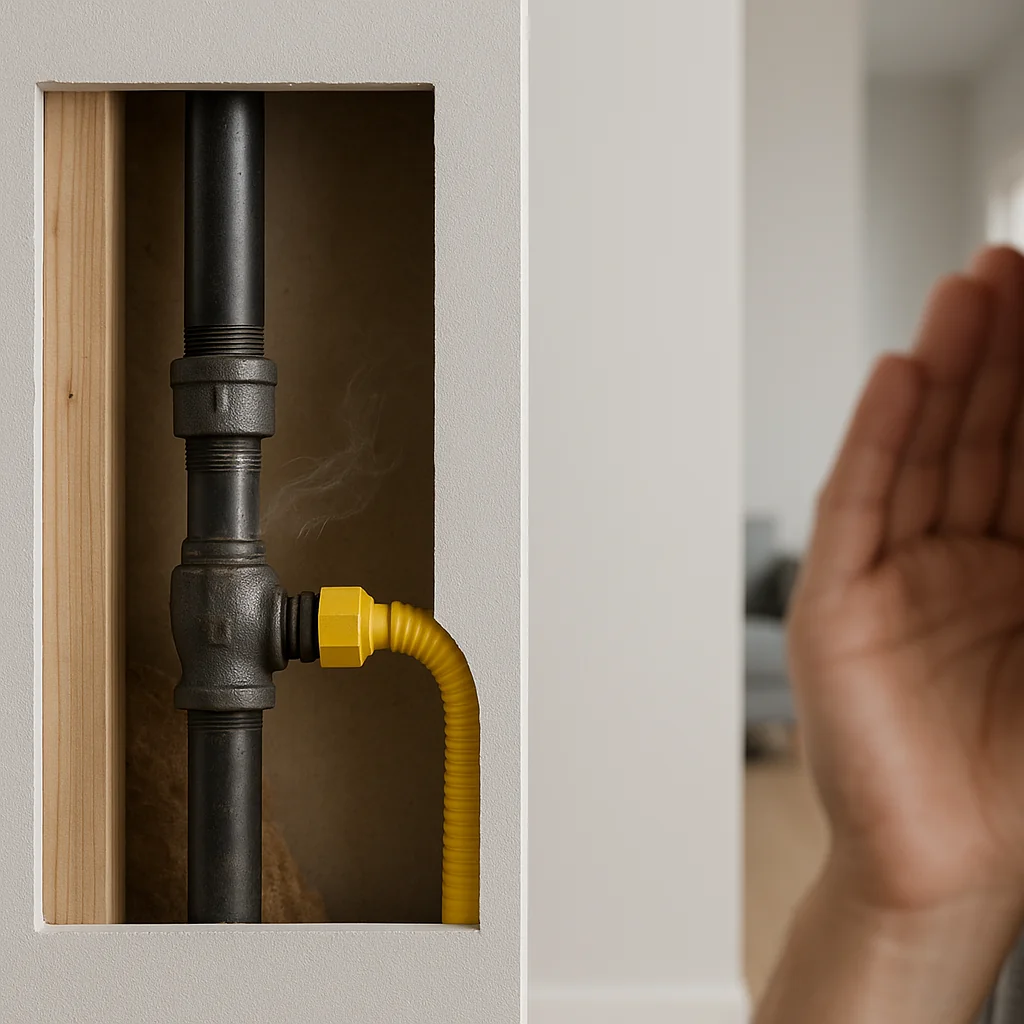
Understanding the Danger: What That Hissing Sound Really Means
If you’re hearing a hissing sound behind your wall in your Newark home or business, you’re right to be concerned. This distinctive noise is one of the most recognizable warning signs of a natural gas leak, and it demands immediate attention. A hissing sound typically indicates gas escaping from a pressurized pipe at a significant rate, which creates both an explosion risk and a health hazard. In Newark’s older neighborhoods, where many buildings feature aging gas infrastructure, this problem occurs more frequently than most property owners realize. The sound you’re hearing isn’t something to investigate on your own or wait to address—it’s a clear signal that you need professional natural gas leak repair services immediately.
Natural gas is odorless in its pure form, but utility companies add mercaptan—a chemical that smells like rotten eggs—to help detect leaks. However, not all leaks produce a noticeable odor, especially if the leak is behind walls, under floors, or in poorly ventilated spaces. The hissing sound often becomes the primary indicator that something is seriously wrong with your gas lines. Understanding what causes these sounds, recognizing accompanying warning signs, and knowing when to evacuate can literally save lives.
What Causes Hissing Sounds in Gas Lines?
Gas lines can develop leaks for numerous reasons, and each situation creates the potential for that telltale hissing noise. Understanding the root causes helps property owners in Newark recognize their risk factors and take preventive measures before emergency situations develop.
Corrosion and Aging Infrastructure
Many Newark properties, particularly in historic areas like Clinton Hill, have gas lines that are decades old. Over time, metal pipes corrode from the inside out due to moisture, chemical reactions, and the gas itself. This corrosion weakens pipe walls until they develop pinhole leaks or larger ruptures that allow pressurized gas to escape, creating that distinctive hissing sound. Cast iron and older steel pipes are especially vulnerable to this type of deterioration.
Physical Damage and Impact
Construction work, renovations, or even simple home improvement projects can accidentally damage gas lines hidden behind walls. Drilling into walls to hang heavy items, cutting into walls during remodeling, or foundation settling can crack or puncture gas pipes. When pressurized gas finds an escape route through damaged pipe material, it produces an audible hiss that varies in volume depending on the size of the opening and the pressure in the line.
Poor Installation and Faulty Connections
Improperly installed gas lines or loose fittings at connection points can develop leaks over time. Threaded connections may not have been properly sealed with appropriate compounds, or compression fittings may have been inadequately tightened during initial installation. These weak points become increasingly problematic as pipes expand and contract with temperature changes, eventually allowing gas to escape with an audible hissing sound.
Ground Movement and Foundation Issues
Newark’s soil conditions and seasonal freeze-thaw cycles can cause ground movement that stresses underground gas lines and the pipes that enter buildings through foundations. This stress can crack pipes or separate joints, creating leak points. When these leaks occur near or inside wall cavities, the escaping gas produces hissing sounds that seem to come from within the structure itself.
Critical Warning Signs That Accompany Hissing Sounds
A hissing sound rarely appears as an isolated symptom. Gas leaks typically present multiple warning signs that, when recognized together, paint a clear picture of danger requiring immediate emergency gas line leak repair services.
The Sulfur or Rotten Egg Odor
The most widely recognized sign of a gas leak is the distinctive sulfur smell that resembles rotten eggs. If you hear hissing and smell this odor, you have confirmation of a gas leak. However, it’s important to note that some people have difficulty detecting this smell due to olfactory issues, congestion, or the leak’s location. Never rely solely on smell to determine whether a gas leak exists—the hissing sound itself is sufficient cause for concern.
Dead or Dying Vegetation
If the hissing sound comes from a wall adjacent to the exterior of your building, check nearby vegetation. Gas leaks can kill grass, shrubs, and other plants by displacing oxygen in the soil and poisoning root systems. Dead patches of grass in otherwise healthy lawns, particularly in lines that follow underground gas pipes, indicate a serious leak that may be producing the hissing sound you’re hearing inside.
Physical Symptoms in Occupants
Natural gas exposure causes specific health symptoms that worsen with continued exposure. Headaches, dizziness, nausea, fatigue, difficulty breathing, and eye irritation all indicate possible gas exposure. If multiple people in your Newark property experience these symptoms simultaneously, especially in conjunction with a hissing sound, evacuate immediately and call for help. Prolonged exposure to natural gas can be fatal, particularly in enclosed spaces where gas concentrations build rapidly.
Visible Dust or Mist
Gas escaping under high pressure can create visible disturbances in the air. You might notice a slight mist or fog near the leak location, or dust and debris being blown away from a particular spot on your wall. This visual indicator combined with hissing confirms a significant leak requiring immediate professional attention.
Higher Than Normal Gas Bills
Before you hear the hissing, you might notice unexplained increases in your natural gas bills. Even small leaks waste considerable gas over time, and this waste appears as higher consumption on your utility statements. If you’ve noticed rising gas costs without corresponding increases in usage, you may have a slow leak that has now progressed to the point where it’s creating audible sounds.
Immediate Actions to Take When You Hear Hissing
The moment you identify a hissing sound that might indicate a gas leak, your response must be swift and methodical. Following proper emergency protocols protects everyone in the building and prevents potential catastrophe.
Evacuate the Premises Immediately
Don’t take time to investigate or confirm your suspicions. If you hear hissing and suspect a gas leak, get everyone out of the building immediately. Move to a location at least 100 feet away from the structure. Natural gas is highly flammable, and even a small spark can trigger an explosion when gas has accumulated in enclosed spaces.
Avoid Creating Sparks or Flames
As you evacuate, do not turn light switches on or off, don’t use phones inside the building, avoid operating any electrical devices, and absolutely do not light matches or lighters. Any of these actions can create the spark that ignites accumulated gas. Even static electricity from synthetic fabrics can potentially cause ignition in high-concentration environments.
Do Not Attempt to Locate or Repair the Leak
Leave leak detection and repairs to trained professionals with proper equipment. Never try to find the leak source yourself, and never attempt to shut off gas valves unless you’ve been specifically trained to do so and can access them without entering contaminated areas. Well-meaning attempts to help often make dangerous situations worse.
Call for Professional Help
Once you’re safely away from the building, immediately contact NE Gas Line Emergency Services at (862) 693-0118. Professional gas leak detection service providers have specialized equipment to locate leaks safely, assess danger levels, and perform necessary repairs. Also notify your utility company of the emergency—they can shut off gas supply at the meter if necessary.
Do Not Re-Enter Until Cleared
Even if the hissing stops or you no longer smell gas, do not return to the building until professionals have inspected it, confirmed it’s safe, and completed necessary repairs. Gas can accumulate in pockets within walls, basements, and crawl spaces, creating ongoing danger even after the leak appears to have stopped.
Why Gas Pipe Leaks Behind Walls Are Especially Dangerous
Leaks that occur within wall cavities present unique dangers that make them more hazardous than leaks in accessible locations. Understanding these specific risks explains why hissing sounds behind walls demand such urgent response.
Hidden Accumulation of Gas
When gas leaks into enclosed wall spaces, it can accumulate to dangerous concentrations before dispersing into living areas. Wall cavities act as reservoirs that collect gas, and when that gas eventually finds its way into occupied spaces, it enters in higher concentrations than leaks in open areas. This accumulation creates explosion risks and increases the likelihood of dangerous exposure levels.
Difficult Detection and Location
Leaks behind walls are harder to detect in early stages because the wall material muffles sounds and contains odors. By the time you hear hissing, the leak has typically progressed to a significant size. The concealed location also makes pinpointing the exact leak source more challenging, potentially delaying repairs even after the problem has been identified.
Structural Damage Potential
Gas leaks within walls can cause secondary damage to building materials. Moisture that accompanies some leaks can damage drywall, insulation, and wooden framing members. Additionally, if ignition occurs, fires that start within wall cavities spread rapidly through the structure before becoming visible, making them particularly deadly.
Delayed Warning Signs
Because wall cavities partially contain leaking gas, warning signs may not be immediately apparent to occupants. The sulfur smell might be faint or intermittent, and the hissing might only be audible in certain locations or at certain times. This delayed recognition means people may be exposed to dangerous gas concentrations for extended periods before realizing a problem exists.
Professional Gas Leak Detection and Repair Process
Understanding what happens when you call for professional help can ease anxiety during these stressful situations and help you know what to expect from qualified technicians.
Initial Safety Assessment
Professional gas line technicians begin with a comprehensive safety assessment using calibrated gas detection equipment. These sensitive instruments measure gas concentrations in various areas to determine danger levels and identify which spaces are safe to enter. This assessment guides all subsequent work and ensures technician safety throughout the repair process.
Leak Location and Verification
Technicians use multiple methods to pinpoint leak locations, including electronic gas sniffers, pressure testing, soap solution testing, and thermal imaging cameras. When leaks are behind walls, professionals may need to create small access points to confirm the exact location before beginning repairs. This precision prevents unnecessary damage to your property while ensuring complete resolution of the problem.
Gas Supply Isolation
Before beginning repairs, technicians isolate the affected gas line section by shutting off appropriate valves. This stops additional gas flow to the leak point, preventing further accumulation and making the repair area safe to work in. Depending on your system’s configuration, this might affect gas supply to specific appliances or the entire property temporarily.
Repair or Replacement
The repair approach depends on the leak’s cause, location, and severity. Small leaks at fittings might only require tightening or resealing connections. Corroded or damaged pipe sections typically require replacement rather than patching. In cases of extensive corrosion or outdated materials, technicians may recommend gas line relocation and modification to prevent future problems. Modern repairs use durable materials designed for decades of safe service.
Pressure Testing and Verification
After completing repairs, technicians perform rigorous pressure testing to verify the integrity of their work. This testing involves pressurizing the line and monitoring for any pressure drops that would indicate remaining leaks. Only after passing these tests will technicians restore gas service and clear the property for occupancy.
System Restoration and Safety Check
Once repairs are verified, technicians restore gas service, relight pilot lights on appliances, and perform a final safety check throughout the property. This comprehensive approach ensures not only that the leak is repaired but that your entire gas system is functioning safely.
Newark-Specific Considerations for Gas Line Safety
Newark’s unique characteristics create specific considerations for gas line safety that property owners should understand.
Aging Housing Stock
Much of Newark’s residential and commercial building inventory dates from the early-to-mid 20th century. These older structures often contain original gas lines that have exceeded their intended service life. Property owners in established Newark neighborhoods should be particularly vigilant about gas line maintenance and consider proactive inspections even without obvious warning signs.
Urban Density Factors
Newark’s urban density means gas leaks in one property can potentially affect adjacent buildings, especially in attached row houses and multi-unit buildings. A leak in your property could endanger neighbors, making rapid response even more critical. This density also means that professional gas line services in Newark must navigate challenging access situations and coordinate with multiple property owners when addressing systemic issues.
Climate and Seasonal Considerations
Newark’s climate subjects gas lines to significant temperature variations throughout the year. Winter freezing and summer heat cause expansion and contraction in gas pipes, which can stress weak points and accelerate leak development. Additionally, heating system usage peaks during Newark’s cold winters, increasing pressure on gas delivery systems and making leaks more likely during the coldest months when they’re also most dangerous.
Renovation and Construction Activity
Newark’s ongoing urban renewal and property rehabilitation efforts mean increased construction activity that can accidentally damage gas lines. If your property or neighboring properties are undergoing renovation, remain extra alert for signs of gas leaks, as construction-related damage is a leading cause of sudden gas line failures.
Preventive Measures to Avoid Gas Line Emergencies
While some gas line problems are unavoidable, property owners can take proactive steps to minimize risks and catch potential issues before they become emergencies.
Regular Professional Inspections
Schedule professional gas line inspections every 2-3 years, or annually for properties with older systems. These inspections identify corrosion, loose fittings, and other problems before they progress to dangerous leaks. The modest cost of preventive inspections is insignificant compared to emergency repair expenses and the potential costs of gas-related incidents.
Install Gas Detection Devices
Modern gas detection devices provide early warning of leaks, often before they’re audible or produce noticeable odors. These devices sound alarms when they detect gas presence, giving you crucial extra time to respond safely. Install detectors near gas appliances, in basements, and in other areas where gas might accumulate.
Know Your System
Familiarize yourself with your property’s gas line layout, valve locations, and shutoff procedures. In an emergency, this knowledge can be invaluable. However, remember that shutting off gas requires relighting pilot lights afterward—a task that should be performed by professionals to ensure safety.
Address Warning Signs Promptly
Never ignore potential warning signs of gas problems. Unusual odors, unexplained dead vegetation, higher gas bills, or any other suspicious indicators warrant professional inspection. Early intervention prevents minor issues from escalating into dangerous emergencies.
Maintain Proper Ventilation
Ensure that areas containing gas appliances and gas lines have adequate ventilation. Proper airflow dilutes any gas that might leak, reducing accumulation risks. Never block vents or air intakes, and ensure exhaust systems function correctly.
The Cost of Ignoring Gas Leak Warning Signs
Understanding the potential consequences of ignoring hissing sounds and other gas leak indicators underscores why immediate action is so critical.
Explosion and Fire Risks
Natural gas explosions can completely destroy buildings and cause fatalities. Even small leaks can create explosive atmospheres when gas accumulates in enclosed spaces. The force of gas explosions often damages neighboring properties as well, creating liability issues for property owners who ignored warning signs.
Health Consequences
Prolonged natural gas exposure causes serious health problems ranging from respiratory issues to neurological damage. Carbon
Leave a Reply