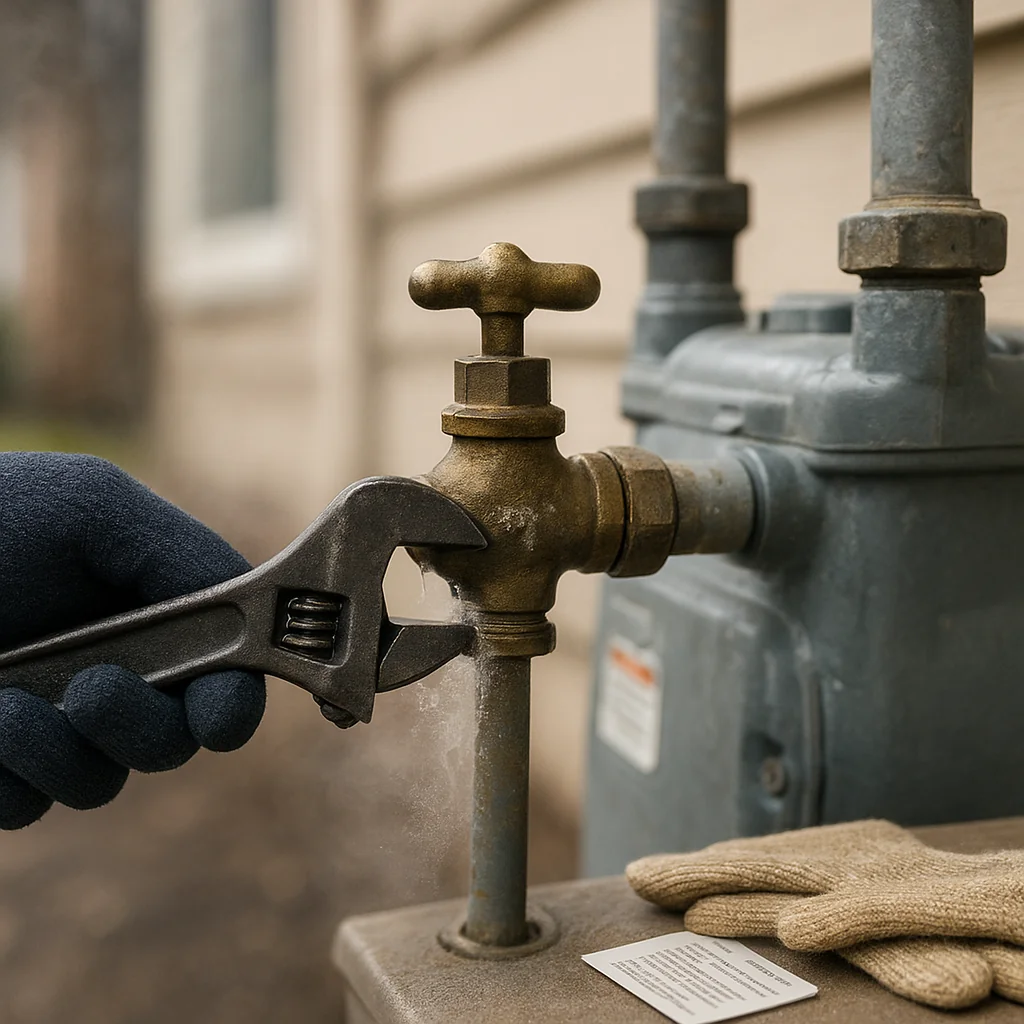
Immediate Steps When Your Gas Shut-Off Valve Won’t Turn or Is Leaking
If you’re a Newark homeowner facing a gas shut-off valve that won’t turn or is actively leaking, you’re dealing with a potentially dangerous situation that requires immediate attention. A malfunctioning gas shut-off valve compromises your ability to control gas flow to your home, which is essential during emergencies or when performing maintenance on gas appliances. Whether you smell gas, notice corrosion around the valve, or simply can’t move the valve handle, understanding what to do next can protect your family and property from serious harm.
Gas shut-off valves are critical safety components in every home’s gas system. Located near your gas meter or at individual appliances, these valves allow you to stop gas flow quickly in emergencies. When they fail to operate properly or develop leaks, you lose this essential safety control. Newark’s aging housing stock, particularly in neighborhoods like Weequahic and Vailsburg, often contains older gas infrastructure that may be more susceptible to valve problems.
Understanding Gas Shut-Off Valves and Their Function
Gas shut-off valves serve as the primary control point for natural gas entering your home or feeding individual appliances. The main shut-off valve is typically located outside your home near the gas meter, while secondary valves exist at each gas-powered appliance like your furnace, water heater, stove, and dryer.
These valves come in several types:
- Ball valves: Feature a lever handle that turns 90 degrees to open or close
- Gate valves: Use a round wheel handle that requires multiple turns
- Plug valves: Similar to ball valves but with a cylindrical plug mechanism
- Automatic seismic shut-off valves: Close automatically during earthquakes or excessive movement
Most residential gas systems use ball valves due to their reliability and ease of operation. When the handle is parallel to the pipe, gas flows freely. When perpendicular to the pipe, gas flow stops completely. This simple quarter-turn design makes them ideal for emergency situations—when they’re working properly.
Why Gas Shut-Off Valves Won’t Turn
Several factors can prevent a gas shut-off valve from turning, and understanding the cause helps determine the appropriate response:
Corrosion and Rust
Newark’s climate, with its humid summers and cold winters, creates ideal conditions for metal corrosion. Gas shut-off valves exposed to moisture can develop rust that locks the valve mechanism in place. This is particularly common with outdoor main shut-off valves near the meter, which face constant exposure to weather elements.
Lack of Use
Gas valves that remain in one position for years can become seized. The internal components may bond together or accumulate deposits that prevent movement. Many homeowners never touch their gas shut-off valves except during emergencies, which means a valve could be frozen in place without anyone knowing until it’s needed most.
Over-Tightening
Previous attempts to close a valve too forcefully can damage the internal mechanism or strip threads, making subsequent operation difficult or impossible. Some homeowners or inexperienced technicians may apply excessive force thinking they’re ensuring a complete seal.
Manufacturing Defects or Wear
Like any mechanical component, gas valves can fail due to manufacturing defects, normal wear over time, or poor quality materials. Older valves installed decades ago may not meet current standards for durability and reliability.
Debris and Sediment
Particles in the gas line or external debris can lodge in the valve mechanism, preventing proper operation. This is more common in older gas systems that may have accumulated sediment over decades of use.
Common Causes of Gas Shut-Off Valve Leaks
A leaking gas shut-off valve presents an immediate safety hazard. Gas leaks can lead to explosions, fires, carbon monoxide poisoning, and health problems. Here are the primary causes:
Worn Seals and Gaskets
Internal seals and gaskets deteriorate over time due to constant exposure to natural gas and temperature fluctuations. When these components fail, gas can escape around the valve stem or body. This is one of the most common reasons for valve leaks in older homes.
Damaged Valve Body
Physical damage from impact, excessive force, or corrosion can crack or compromise the valve body itself. Even small cracks can allow significant gas leakage. External damage may be visible, but internal cracks often require professional inspection to detect.
Loose Connections
The threaded connections where the valve attaches to gas pipes can loosen over time due to vibration, thermal expansion and contraction, or improper initial installation. These connection points are common leak locations that may seem like valve problems but actually involve the pipe fittings.
Improper Installation
Valves installed incorrectly—with inadequate thread sealant, cross-threaded connections, or improper torque—may leak from the start or develop leaks prematurely. Unfortunately, not all gas work is performed by qualified professionals, and improper installations can create dangerous situations years later.
Corrosion Damage
External corrosion can eat through the valve body, while internal corrosion can damage sealing surfaces. Newark’s older neighborhoods, particularly in areas like Clinton Hill, often have gas infrastructure that has faced decades of corrosion exposure.
Immediate Safety Steps for Newark Homeowners
When you discover a gas shut-off valve that won’t turn or is leaking, follow these critical safety steps immediately:
For a Leaking Valve
- Evacuate immediately if you smell strong gas: Don’t waste time investigating—get everyone out of the house, including pets
- Avoid all ignition sources: Don’t flip light switches, use phones inside the house, start vehicles, or create any sparks
- Leave doors and windows open as you exit: This helps ventilate the space but don’t delay evacuation to open every window
- Call 911 and your gas utility from a safe distance: Report the gas leak from outside the home, at least 100 feet away
- Contact NE Gas Line Emergency Services at (862) 693-0118: Professional gas line repair technicians can respond quickly to assess and repair the problem
- Don’t return until cleared by professionals: Even if you no longer smell gas, don’t re-enter until emergency responders confirm it’s safe
For a Valve That Won’t Turn
- Don’t force it: Applying excessive force can break the valve, strip threads, or create a dangerous leak
- Assess the urgency: If you need to shut off gas due to another emergency (like a suspected leak at an appliance), call 911 and your gas utility immediately
- If it’s not an emergency: Contact a licensed gas line professional to inspect and repair the valve
- Document the problem: Take photos of the valve condition, noting any corrosion, damage, or unusual positioning
- Keep the area clear: Don’t store items around the gas meter or main shut-off valve that could interfere with emergency access
What NOT to Do
Certain actions can make a dangerous situation worse. Avoid these common mistakes:
- Never use lubricants or penetrating oils: Products like WD-40 are petroleum-based and can create fire hazards near gas lines
- Don’t attempt DIY valve replacement: Gas line work requires specialized knowledge, proper tools, and licensing for safety and code compliance
- Avoid using wrenches or pliers on valve handles: This can damage the valve mechanism or create leaks
- Don’t ignore small leaks: Even minor gas leaks can accumulate to dangerous levels in enclosed spaces
- Never try to fix a leak with tape or sealants: These are temporary at best and give false security while gas continues leaking
- Don’t delay professional service: Gas valve problems don’t improve on their own and typically worsen over time
Professional Diagnosis and Repair
Licensed gas line professionals have the expertise, tools, and legal authority to properly diagnose and repair gas shut-off valve problems. Here’s what to expect:
Inspection Process
A qualified technician will conduct a comprehensive inspection that includes:
- Visual examination of the valve and surrounding gas lines
- Leak detection using specialized electronic detectors and soap solution tests
- Assessment of valve operation and condition
- Evaluation of pipe connections and fittings
- Review of overall gas system condition and code compliance
- Documentation with photos and detailed findings
Repair or Replacement Options
Depending on the diagnosis, solutions may include:
Valve Replacement: Most commonly, a malfunctioning valve requires complete replacement. This involves shutting off gas at the meter, removing the old valve, installing a new code-compliant valve with proper thread sealant and torque specifications, pressure testing the repair, and restoring gas service safely.
Connection Repair: If the valve itself is functional but connections are leaking, technicians can tighten or reseal fittings, replace damaged pipe sections, or upgrade connections to current code standards.
System Upgrades: In some cases, particularly with older homes, the entire gas delivery system may need updating. This could involve gas line relocation or modification to meet current safety standards.
Code Compliance Considerations
Newark follows New Jersey state building codes and local ordinances governing gas line installation and repair. Professional gas line services ensure all work meets these requirements, which include:
- Proper valve types and ratings for residential applications
- Correct installation methods and materials
- Required clearances and accessibility standards
- Pressure testing and leak inspection protocols
- Proper permitting and inspection procedures
Working with licensed professionals protects you legally and ensures insurance coverage remains valid. Unpermitted or non-compliant gas work can create liability issues and complications when selling your home.
Preventive Maintenance for Gas Shut-Off Valves
While professional service is essential for repairs, homeowners can take steps to maintain gas shut-off valves and catch problems early:
Regular Visual Inspections
Every few months, visually inspect your main gas shut-off valve and appliance valves for:
- Signs of corrosion or rust
- Moisture accumulation
- Physical damage
- Proper labeling and accessibility
- Unusual odors suggesting leaks
Annual Professional Inspection
Schedule annual gas system inspections with qualified technicians who can:
- Test valve operation
- Perform leak detection
- Assess overall system condition
- Identify potential problems before they become emergencies
- Document system status for your records
Know Your Valve Locations
Every household member should know where gas shut-off valves are located and how to operate them in emergencies. Create a simple diagram showing:
- Main shut-off valve location (usually near the meter)
- Individual appliance valve locations
- Direction to turn for on/off positions
- Emergency contact numbers including (862) 693-0118 for NE Gas Line Emergency Services
Maintain Accessibility
Keep areas around gas shut-off valves clear of:
- Stored items and clutter
- Landscaping that could obstruct access
- Ice and snow during winter months
- Any obstacles that would delay emergency valve operation
When to Call Emergency Services
Some situations require immediate professional response. Contact NE Gas Line Emergency Services at (862) 693-0118 right away if you experience:
- Strong gas odor inside or outside your home
- Hissing sounds near gas lines or valves
- Dead vegetation in a circular pattern near gas lines
- Physical symptoms like dizziness, nausea, or headaches that could indicate gas exposure
- Visible damage to gas lines or valves
- Inability to shut off gas during another emergency
- Recent severe weather or ground movement that may have affected gas lines
Emergency gas line services operate 24/7 because gas leaks don’t wait for business hours. Quick professional response can prevent disasters and protect your family.
Newark-Specific Considerations
Newark homeowners face unique challenges related to gas shut-off valves:
Aging Infrastructure
Many Newark homes were built decades ago with gas systems that may not meet current standards. Older valves are more prone to failure and may require proactive replacement even if they appear functional.
Urban Environment Factors
The urban setting creates specific issues:
- Limited outdoor space may make meter and valve access challenging
- Multi-family buildings require coordination between units for gas work
- Older buildings may have gas lines running through multiple properties
- Street work and utility maintenance can affect residential gas systems
Climate Impact
Newark’s climate contributes to valve problems through:
- Freeze-thaw cycles that stress metal components
- High humidity promoting corrosion
- Temperature extremes causing expansion and contraction
- Winter conditions that can make outdoor valves difficult to access or operate
Local Regulations
Newark and New Jersey have specific requirements for gas line work, including licensing requirements for contractors, permit processes for gas system modifications, inspection protocols, and compliance with state and local building codes.
Cost Considerations
While costs vary depending on specific circumstances, understanding typical expenses helps homeowners plan:
Emergency Service
Emergency gas line repair typically costs more than scheduled service but is essential for safety. Factors affecting emergency service costs include time of day and day of week, severity of the problem, accessibility of the valve location, and extent of repairs needed.
Valve Replacement
Standard valve replacement costs depend on valve type and size, location and accessibility, additional pipe work required, permitting and inspection fees, and whether main or appliance valve replacement is needed.
System Upgrades
Comprehensive gas system updates involve higher costs but provide long-term safety and reliability. These might include multiple valve replacements, pipe section replacement or rerouting, bringing systems up to current code, and installing modern safety features.
Insurance Coverage
Check your homeowner’s insurance policy regarding gas line coverage. Some policies cover sudden failures but not maintenance issues. Document all problems and repairs for insurance purposes, and consider whether your coverage adequately protects against gas line problems.
Leave a Reply