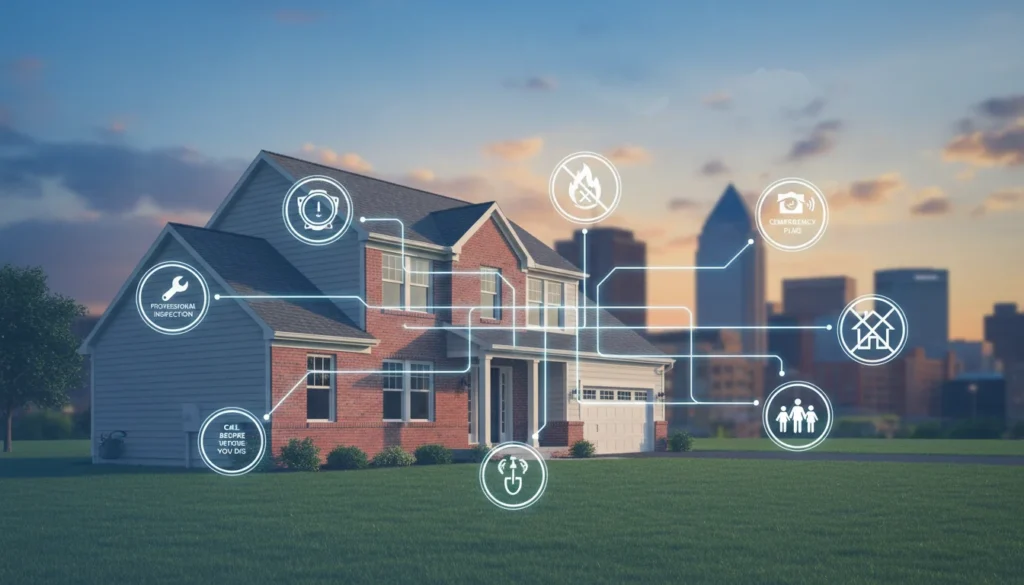
Essential Gas Line Safety Checklist for Newark Homeowners
Ensuring the safety of your home’s gas infrastructure is critical for every resident in Newark. A comprehensive gas line safety checklist helps homeowners identify potential leaks, understand warning signs, and know when to seek professional assistance immediately. Given Newark’s mix of historic and modern housing, maintaining gas line integrity is not just about comfort—it is about preventing hazardous situations that could endanger your family and neighbors. By following a structured safety protocol, you can mitigate risks associated with aging pipes, appliance malfunctions, and external damage to utility lines.
Understanding the Risks in Newark’s Infrastructure
Newark possesses a diverse architectural landscape, ranging from century-old brownstones to newly constructed developments. Older homes often feature gas piping that may have degraded over decades of use. Corrosion, shifting foundations, and previous DIY renovations can compromise the integrity of these lines. It is vital for homeowners to recognize that natural gas is highly combustible and requires meticulous handling. Ignoring subtle signs of wear can lead to catastrophic failures. Regular inspections are not merely recommended; they are essential for maintaining a safe living environment in our city.
The Smell and Sound Test
The most immediate way to detect a gas leak is through your senses. Natural gas is odorless in its natural state, but utility companies add a chemical called mercaptan to give it a distinct rotten egg smell. If you detect this odor inside or outside your home, it is a primary indicator of a leak. Additionally, listen for unusual sounds. A hissing or whistling noise near a gas line, meter, or appliance suggests gas is escaping under pressure. Do not ignore these warnings. Even a faint smell warrants immediate investigation. If the odor is strong, evacuate the premises and contact emergency services without delay.
Visual Inspection Guidelines
Beyond smell and sound, visual cues can reveal significant issues. Walk around your property and inspect the external gas meter and piping. Look for signs of rust, corrosion, or physical damage to the pipes. Check the ground above the gas line path for dead vegetation or bubbling soil, which can indicate a subterranean leak. Inside the home, examine the connection points at your furnace, water heater, and stove. Yellow flames instead of blue ones on gas burners often signify incomplete combustion, which can produce carbon monoxide. Keep a log of these inspections to track changes over time.
Appliance Maintenance and Care
Your gas appliances are the endpoints of your gas line system, and their condition reflects the health of the entire network. Ensure that all appliances are installed by licensed professionals and maintained according to manufacturer guidelines. Dust and debris can obstruct vents, leading to dangerous buildup. Schedule annual servicing for your heating system before the winter season begins. If you notice soot around the appliance or frequent pilot light outages, these are red flags. Proper ventilation is equally important; never block air intake vents, as this can cause carbon monoxide to accumulate indoors.
Neighborhood Specific Concerns
Different areas of Newark face unique challenges regarding gas line safety due to soil conditions and infrastructure age. For instance, residents in Weequahic often deal with older piping systems that require vigilant monitoring. Similarly, homes in Vailsburg require careful attention during landscaping projects to avoid striking underground lines. Homeowners in Westside neighborhoods should also be aware of potential shifts in ground stability that could stress rigid gas pipes. Understanding the specific history of your neighborhood helps you anticipate potential vulnerabilities and take preemptive action.
What to Do in an Emergency
If you suspect a leak, safety is the absolute priority. Do not attempt to locate the leak yourself if the smell is strong. Avoid creating sparks by not turning lights on or off, using phones, or operating electrical switches within the home. Open windows if it is safe to do so on your way out, but prioritize evacuation. Once you are at a safe distance, call your gas utility provider and a licensed professional. For immediate assistance, contact us for Emergency Gas Line Leak Repair. Time is of the essence, and professional technicians have the equipment to detect and seal leaks safely without risking ignition.
Renovations and Modifications
Many homeowners undertake renovation projects that inadvertently impact gas lines. Moving a kitchen island or adding a gas fireplace requires altering the existing piping. Never attempt to move gas lines yourself. Improper connections can lead to leaks that are difficult to detect until they become dangerous. If your renovation plans involve changing the layout of your home or adding new gas appliances, you will likely need Gas Line Relocation & Modification services. Licensed experts ensure that new lines meet current code requirements and are pressure-tested before use. This protects your investment and ensures compliance with Newark building regulations.
Professional Inspection Frequency
While homeowner checks are valuable, they do not replace professional inspections. It is recommended to have a certified technician inspect your gas lines and appliances every year. Professionals use advanced leak detection tools that can identify issues invisible to the naked eye. They can also assess the pressure stability of your system and check for corrosion inside the pipes. If you have an older home, consider increasing the frequency of these inspections. Regular maintenance extends the lifespan of your equipment and provides peace of mind knowing that your home is safe from gas-related hazards.
Final Safety Tips for Newark Residents
Keep emergency numbers accessible, including the local gas utility and (862) 693-0118. Install carbon monoxide detectors on every level of your home and test them monthly. Educate all family members on the signs of a gas leak and the evacuation plan. Do not store flammable materials near gas appliances or meters. By staying proactive and informed, you contribute to the overall safety of your household and community. Gas line safety is a shared responsibility, and adhering to this checklist ensures that you are prepared for any situation that may arise.
Leave a Reply