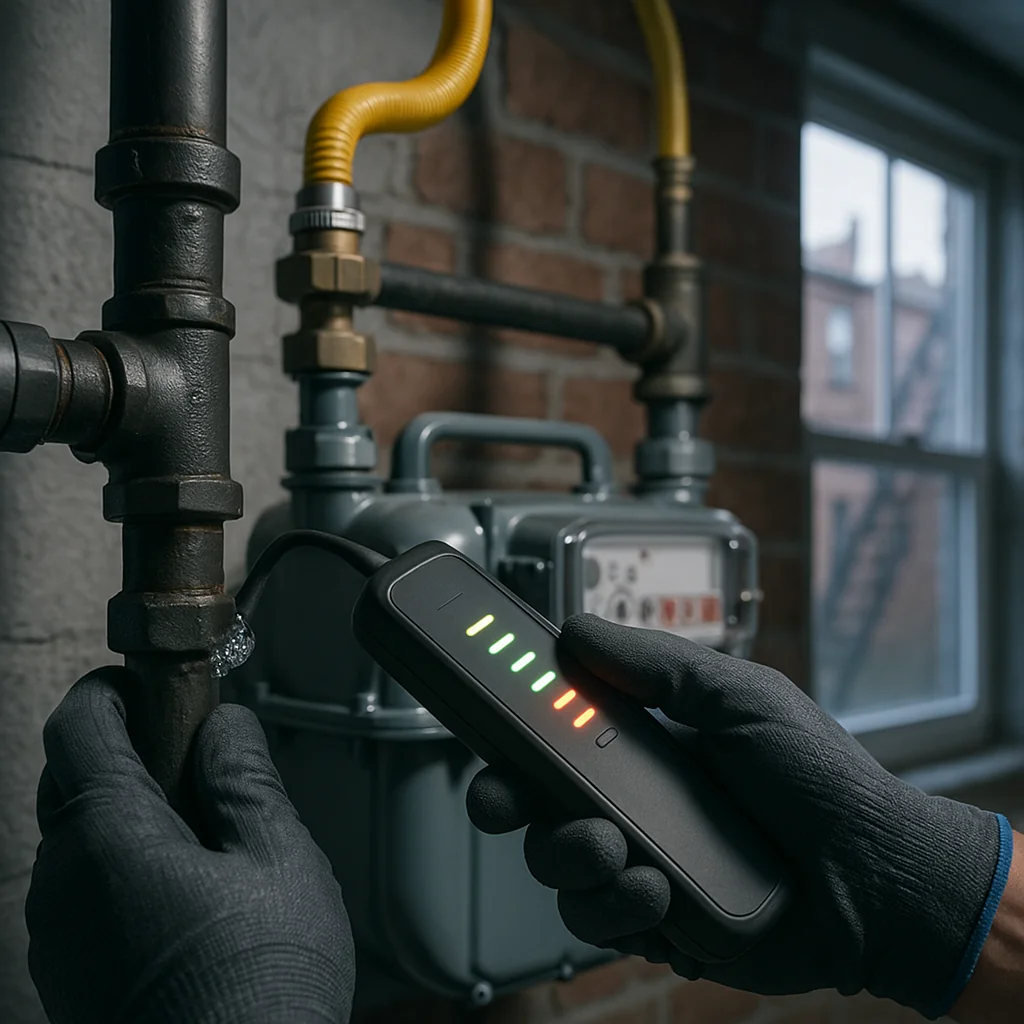
Understanding the Risks of Hidden Gas Leaks in Newark
Hidden gas leaks pose a significant threat to homeowners across Newark, often going undetected until they cause severe damage or health issues. Many residents assume that because they cannot smell gas, their lines are secure, but this is a dangerous misconception. Older infrastructure, shifting soil conditions, and wear on appliances contribute to slow leaks that evade casual detection. Identifying these issues early requires vigilance and an understanding of the specific risks associated with New Jersey’s urban environment. If you suspect a problem, immediate professional assessment is crucial to ensure the safety of your household and neighbors.
Why Newark Homes Are Vulnerable to Undetected Leaks
Newark’s housing stock varies widely, from historic brownstones to modern developments, each presenting unique challenges for gas line integrity. Many properties were built decades ago, meaning the original piping may have corroded over time. Additionally, the dense urban layout means that gas lines often run close to other utilities, increasing the risk of accidental damage during excavation or construction work nearby. Soil composition in certain areas can also accelerate corrosion, particularly in zones with high moisture content or acidic ground conditions.
Homeowners in neighborhoods like Clinton Hill often face these infrastructure challenges due to the age of the properties. The combination of aging pipes and environmental factors creates a perfect storm for hidden leaks. Regular inspections are not just recommended; they are essential for maintaining safety standards in these older communities. Ignoring the age of your gas system can lead to costly repairs and dangerous situations that could have been prevented with routine maintenance.
Subtle Signs That Indicate a Gas Leak
While the rotten egg smell added to natural gas is the most well-known indicator, hidden leaks do not always produce a strong odor immediately. Small leaks might dissipate before reaching your nose, or the smell might be masked by other household scents. Therefore, relying solely on your sense of smell is insufficient. You must look for physical and environmental clues around your property.
Common indicators include unexplained increases in your gas bill, which suggest usage without apparent cause. You might also notice dead or discolored vegetation in an otherwise healthy garden, specifically along the path where the gas line enters your home. Inside the house, listen for hissing sounds near appliances or pipes. Physical symptoms like headaches, nausea, or dizziness when indoors can also signal poor air quality due to gas accumulation. If you observe any of these signs, contact NE Gas Line Emergency Services at (862) 693-0118 immediately.
High-Risk Areas Within Your Home
Certain appliances and locations are more prone to developing leaks than others. Water heaters, furnaces, and stoves are connected via flexible lines or rigid pipes that can degrade. Connections at these junctions are common failure points. Over time, vibrations from appliance operation can loosen fittings, leading to slow escapes of gas.
For instance, if you have recently installed new equipment, ensure that the connections were sealed properly. Professional Gas Appliance Gas Line Repair is necessary to verify that all fittings meet safety standards. DIY attempts to fix these connections often result in improper sealing, which exacerbates the risk. Always rely on certified technicians to handle installations and repairs involving gas appliances to ensure longevity and safety.
Neighborhood-Specific Insights and Risks
Different areas of Newark have distinct risk profiles based on development history and soil stability. Residents in the Eastside neighborhood should be particularly aware of ground shifting issues that can stress underground lines. Construction activity is frequent in growing areas, and accidental strikes on gas lines are a real possibility.
Similarly, properties in Eastside (Sandy Hill) may encounter specific challenges related to older piping systems that have not been updated to modern standards. Knowing the history of your specific location helps in anticipating potential problems. Local expertise is invaluable when assessing these risks, as technicians familiar with the area understand the common failure points associated with local infrastructure.
The Importance of Code Compliance and Safety Standards
Gas line systems must adhere to strict local and national codes to ensure safety. Over time, regulations change, and what was acceptable decades ago may now be considered hazardous. Ensuring your system is up to code is not just about legality; it is about protecting your family from preventable accidents.
Professional inspections can identify violations such as improper pipe materials, lack of shut-off valves, or inadequate ventilation. If your system is found lacking, Gas Line Code Compliance Repair will bring your infrastructure up to current safety standards. This process often involves replacing outdated components and verifying pressure levels to ensure no leaks exist. Compliance ensures that insurance policies remain valid and that you are protected in the event of an incident.
Immediate Action Plan for Suspected Leaks
If you suspect a gas leak, safety is the top priority. Do not attempt to locate the leak yourself using open flames or electrical switches, as sparks can ignite accumulated gas. Follow these steps immediately:
- Evacuate: Get everyone out of the house immediately.
- Avoid Sparks: Do not turn lights on or off, and do not use phones inside the home.
- Shut Off Gas: If safe to do so, turn off the main gas valve at the meter.
- Call Professionals: Contact NE Gas Line Emergency Services at (862) 693-0118 from a safe location.
- Wait Outside: Do not re-enter the property until professionals declare it safe.
Following this protocol minimizes the risk of explosion or health complications. Speed is essential, but caution is paramount. Never assume a small leak is harmless; gas accumulation can reach critical levels quickly in enclosed spaces.
Comparison of Leak Indicators
| Indicator | Location | Severity |
|---|---|---|
| Rotten Egg Smell | Indoor/Outdoor | High |
| Hissing Sound | Near Appliances | Medium to High |
| Dead Vegetation | Yard Along Line | Medium |
| High Gas Bill | Utility Statement | Low to Medium |
| Physical Symptoms | Inside Home | High |
This table outlines common signs and their typical locations. Understanding these differences helps in diagnosing the potential source of the issue. However, only professional equipment can confirm the presence and location of a leak with certainty.
Preventative Maintenance Tips
Prevention is always better than emergency repair. Schedule annual inspections with qualified technicians to check the integrity of your gas lines. Keep the area around your gas meter clear of debris and vegetation to ensure easy access for emergency shut-offs. Educate all household members on the smell of gas and the emergency action plan. Install carbon monoxide detectors and gas leak alarms near sleeping areas and appliances for added security.
Regular maintenance extends the life of your system and provides peace of mind. It also helps in identifying minor issues before they escalate into major emergencies. Investing in preventative care saves money in the long run and protects the value of your home. Trust the experts at NE Gas Line Emergency Services to keep your home safe and compliant with all local regulations.
Leave a Reply