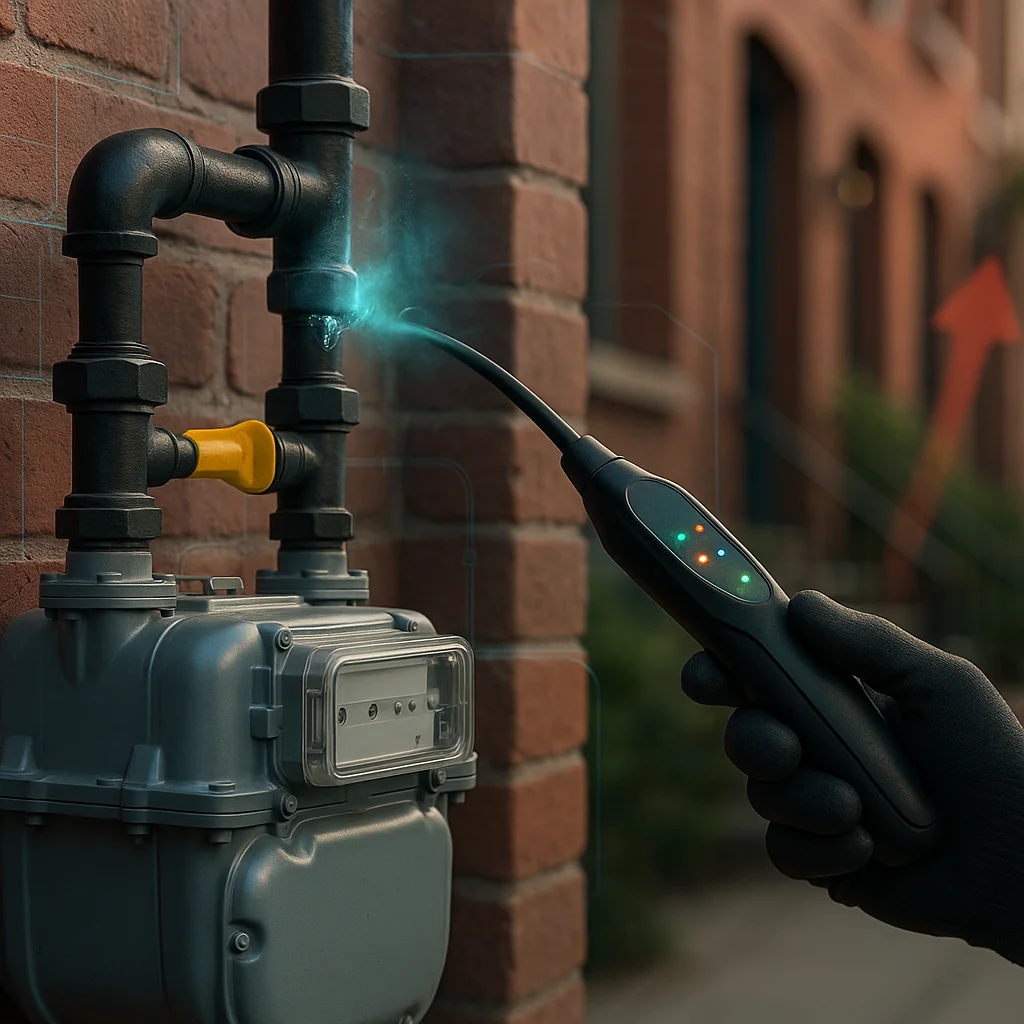
Understanding Your Sudden Gas Bill Increase in Newark
If you’ve recently opened your gas bill in Newark and felt your stomach drop at the unexpectedly high charges, you’re not alone. Many homeowners throughout the city experience sudden spikes in their gas bills without any obvious explanation. While seasonal temperature changes can certainly affect consumption, a dramatic increase often points to a more serious issue: hidden gas line leaks that silently drain both your wallet and your safety.
Gas line leaks are particularly insidious because they often develop gradually in areas of your home that receive little attention. Unlike a burst pipe that floods your basement, a small gas leak can persist for months undetected, steadily increasing your utility costs while creating a potentially dangerous situation. Understanding the common causes, warning signs, and locations of these hidden leaks is essential for every Newark homeowner.
The True Cost of Hidden Gas Line Leaks
When we talk about the cost of gas line leaks, we’re not just referring to the inflated numbers on your monthly bill. The financial impact extends far beyond that single expense. A moderate gas leak can waste hundreds of cubic feet of natural gas each month, translating to additional costs of $50 to $200 or more on your bill. Over the course of a year, you could be losing $600 to $2,400 to a problem you didn’t even know existed.
Beyond the immediate utility costs, gas leaks pose serious safety risks that could result in catastrophic expenses. Natural gas is highly flammable, and even small leaks can create explosive conditions under the right circumstances. The potential for fire damage, health issues from prolonged exposure, and emergency repairs far exceeds the cost of routine maintenance and early detection.
How Gas Leaks Develop in Newark Homes
Newark’s housing stock includes many older properties built during the early to mid-20th century. While these homes possess character and solid construction, their gas line infrastructure often dates back decades. The combination of aging materials, ground settling, temperature fluctuations, and normal wear creates multiple opportunities for leaks to develop.
Cast iron and steel pipes, common in homes built before the 1970s, are particularly susceptible to corrosion. As these materials deteriorate from the inside out, small pinhole leaks can form that are nearly impossible to detect without specialized equipment. Even homes with newer plastic or copper lines aren’t immune—improper installation, accidental damage during renovations, or shifting foundations can compromise these systems as well.
Common Locations Where Gas Leaks Hide
Understanding where gas leaks typically occur helps homeowners focus their attention on the most vulnerable areas. These hidden trouble spots often escape notice during routine home maintenance, allowing small leaks to persist and worsen over time.
Underground Service Lines
The gas line running from the street to your home remains buried underground, making it one of the most difficult areas to monitor. Tree root intrusion, soil settlement, and corrosion can all compromise these lines. In neighborhoods throughout Vailsburg and other established Newark communities, mature trees often have root systems that extend beneath gas lines, gradually applying pressure that can crack or separate pipe joints.
Ground movement caused by freeze-thaw cycles, which Newark experiences each winter, can also stress underground connections. These seasonal shifts may create tiny gaps at joints that allow gas to escape. Because these leaks occur below ground, the gas often dissipates into the soil before reaching the surface, making detection by smell nearly impossible.
Basement and Crawl Space Connections
Once the gas line enters your home, it typically runs through the basement or crawl space before branching to various appliances. These areas are prone to moisture, which accelerates corrosion on metal pipes and fittings. The joints and connections in these spaces—particularly at the meter, shut-off valves, and distribution points—represent weak spots where leaks frequently develop.
Many Newark homeowners rarely venture into their crawl spaces or thoroughly inspect their basements. This neglect allows small leaks to persist unnoticed. The gas may vent through foundation cracks or rise through the home’s structure, creating safety hazards while driving up utility costs.
Appliance Connections and Supply Lines
The flexible connectors that link your gas appliances to the fixed piping system are another common leak location. These lines experience movement and vibration during normal appliance operation, which can gradually loosen fittings or wear through the connector material. Water heaters, furnaces, dryers, and ranges all have these connections, and each represents a potential leak point.
Behind-the-stove connections are particularly problematic because they’re difficult to access and inspect. Homeowners often push appliances tight against walls, creating cramped spaces where small leaks can develop unnoticed. The gas that escapes in these locations typically rises through the home, making detection challenging.
Warning Signs Beyond Your Gas Bill
While a sudden spike in your gas bill is often the first indicator of a leak, several other warning signs can help you identify the problem before it appears on your statement. Recognizing these symptoms early can prevent both financial losses and safety hazards.
Physical Symptoms and Odors
Natural gas suppliers add mercaptan, a chemical with a distinctive sulfur or rotten egg smell, to help detect leaks. However, the odor isn’t always obvious, especially with small leaks or when gas dissipates quickly. Some people also have reduced sensitivity to the smell, making it an unreliable sole indicator.
If you or family members experience unexplained headaches, dizziness, nausea, or fatigue—particularly symptoms that improve when you leave the house—gas exposure could be the cause. These symptoms result from oxygen displacement and should never be ignored. Pets may also exhibit unusual behavior, appearing lethargic or avoiding certain areas of the home.
Visual and Environmental Clues
Gas leaks often leave visible evidence in and around your home. Dead or dying vegetation in an otherwise healthy lawn, particularly in a line that corresponds to your underground gas service, strongly suggests a leak. The gas displaces oxygen in the soil, suffocating plant roots.
Inside your home, look for dust or debris blowing away from a particular area when there’s no apparent air movement. Escaping gas creates a subtle air current that can disturb light materials. You might also notice a white cloud, mist, or fog-like appearance near gas lines, or bubbles in standing water if a leak occurs near moisture.
Audible Indicators
Larger leaks often produce sound. Listen for hissing, whistling, or roaring noises near gas lines, appliances, or the meter. These sounds indicate gas escaping under pressure and represent serious leaks requiring immediate attention. Even without obvious sounds, you might notice your gas meter running when all appliances are turned off—a clear sign that gas is flowing somewhere it shouldn’t.
Why Professional Detection Matters
Many homeowners attempt to locate gas leaks using soap bubble solutions or other DIY methods. While these techniques can identify obvious leaks at accessible connections, they’re inadequate for comprehensive leak detection. Professional services utilize specialized equipment that can identify even tiny leaks in hidden locations.
Electronic gas detectors can sense natural gas concentrations as low as a few parts per million, identifying leaks long before they become detectable by smell or create dangerous conditions. Professionals also use pressure testing to evaluate your entire system, ensuring that every section of pipe maintains proper integrity. This comprehensive approach identifies not just active leaks but also areas of weakness that may fail in the near future.
For homeowners in areas like Government Center and University Heights, where housing density is high, professional leak detection becomes even more critical. A gas leak in one property can potentially affect neighboring homes, making quick identification and repair a community safety issue.
The Inspection Process: What to Expect
When you schedule a professional gas leak inspection, technicians follow a systematic process to evaluate your entire gas system. Understanding this process helps you prepare and ensures you get maximum value from the service.
The inspection typically begins at your gas meter, where technicians verify proper operation and check all connections. They’ll then trace your gas lines throughout the home, using electronic detection equipment to scan for escaping gas. Special attention goes to joints, fittings, valves, and appliance connections—the most common failure points.
For gas pipe leak repair, technicians may need to access walls, floors, or ceilings if detection equipment indicates a leak in concealed piping. They’ll also inspect your appliances themselves, as faulty internal components can cause leaks even when the supply lines are intact. The entire process typically takes one to three hours, depending on your home’s size and system complexity.
Prevention Strategies for Newark Homeowners
While some gas line problems result from factors beyond your control, proactive maintenance significantly reduces your leak risk. Implementing these strategies protects both your budget and your family’s safety.
Regular Professional Inspections
Annual gas system inspections should be part of every homeowner’s maintenance routine. These inspections catch small issues before they become expensive problems. During heating system tune-ups, ensure your technician inspects not just the furnace but all gas connections and supply lines.
If your home is more than 30 years old and still has original gas piping, consider a comprehensive system evaluation. Older infrastructure may benefit from partial or complete replacement, especially if you’re planning other renovations that would provide access to concealed piping.
Appliance Maintenance and Upgrades
Keep your gas appliances properly maintained according to manufacturer recommendations. Clean burners, inspect pilot lights, and ensure proper ventilation. When replacing appliances, have a licensed professional handle the installation and verify all connections meet current code requirements.
If you’re upgrading appliances, consider replacing old flexible connectors even if they appear functional. These components have finite lifespans, and preventive replacement costs far less than dealing with a leak and potential damage.
Landscaping and Excavation Awareness
Before any digging project—whether planting trees, installing a fence, or creating a garden bed—contact New Jersey’s One Call system (811) to have underground utilities marked. Accidentally striking a gas line during excavation creates an immediate emergency and expensive repairs.
When planting trees, consider the mature size of the root system and maintain appropriate distance from underground gas lines. Tree selection and placement today prevents root-related problems decades from now.
What to Do If You Suspect a Leak
If you detect gas odor, experience symptoms of exposure, or notice other warning signs, take immediate action. Your response can prevent tragedy and minimize damage.
First, avoid creating any spark or flame. Don’t flip light switches, use phones inside the home, operate appliances, or do anything that might ignite gas. If the smell is strong, evacuate immediately and call for help from a safe location outside your home.
For less obvious situations—such as a suspicious spike in your gas bill without clear odor—schedule a professional inspection promptly. Don’t wait to see if the next bill returns to normal. Early detection through emergency gas line leak repair services prevents minor issues from becoming major problems.
If you’ve evacuated due to a suspected leak, don’t re-enter your home until professionals have inspected the property and declared it safe. Gas can accumulate in enclosed spaces, creating explosive conditions even after the leak is repaired.
Understanding Newark’s Gas Infrastructure
Newark’s gas distribution system includes both modern and legacy components. Understanding this infrastructure helps homeowners appreciate their role in maintaining the final connection to their property.
The utility company maintains responsibility for gas lines in the street and typically up to your property line or meter. However, homeowners own and must maintain the service line from that point to their home and all interior piping. This division of responsibility means you can’t rely solely on utility company maintenance to keep your system safe.
Many Newark neighborhoods have seen gas main upgrades in recent years, replacing aging cast iron pipes with modern plastic alternatives. However, these improvements to the street-level infrastructure don’t address potential problems in your home’s private system. Even with a brand-new main line in your street, your home could still have decades-old piping that requires attention.
The Role of Home Age and Construction
Your home’s age significantly influences gas leak risk. Properties built before 1970 often have steel or cast iron gas piping that has now exceeded its expected service life. Homes from the 1970s and 1980s may have copper lines, which last longer but can still fail at joints or due to improper installation.
Newark’s diverse housing stock ranges from Victorian-era properties to modern construction. Each era brought different building codes, materials, and installation practices. Understanding your home’s construction period helps you assess risk and prioritize maintenance.
Homes that have undergone multiple renovations may have gas systems that reflect several different eras of materials and code requirements. These mixed systems sometimes include incompatible components or improper connections that increase leak risk.
Long-Term Solutions and System Upgrades
For homes with aging gas infrastructure, partial or complete system replacement may be the most cost-effective long-term solution. While the upfront investment exceeds simple repairs, new piping eliminates ongoing leak risks and provides decades of reliable service.
Modern gas piping materials like corrugated stainless steel tubing (CSST) offer superior durability and flexibility compared to older options. These systems install more quickly and accommodate building movement without developing leaks. If you’re planning a major renovation that involves opening walls or updating other utilities, coordinating gas line replacement can minimize total project costs.
Even without a full replacement, strategic upgrades to the most vulnerable sections of your system improve safety and reliability. Replacing underground service lines, updating basement distribution piping, or installing new appliance connections addresses the highest-risk areas while deferring less critical work.
Leave a Reply