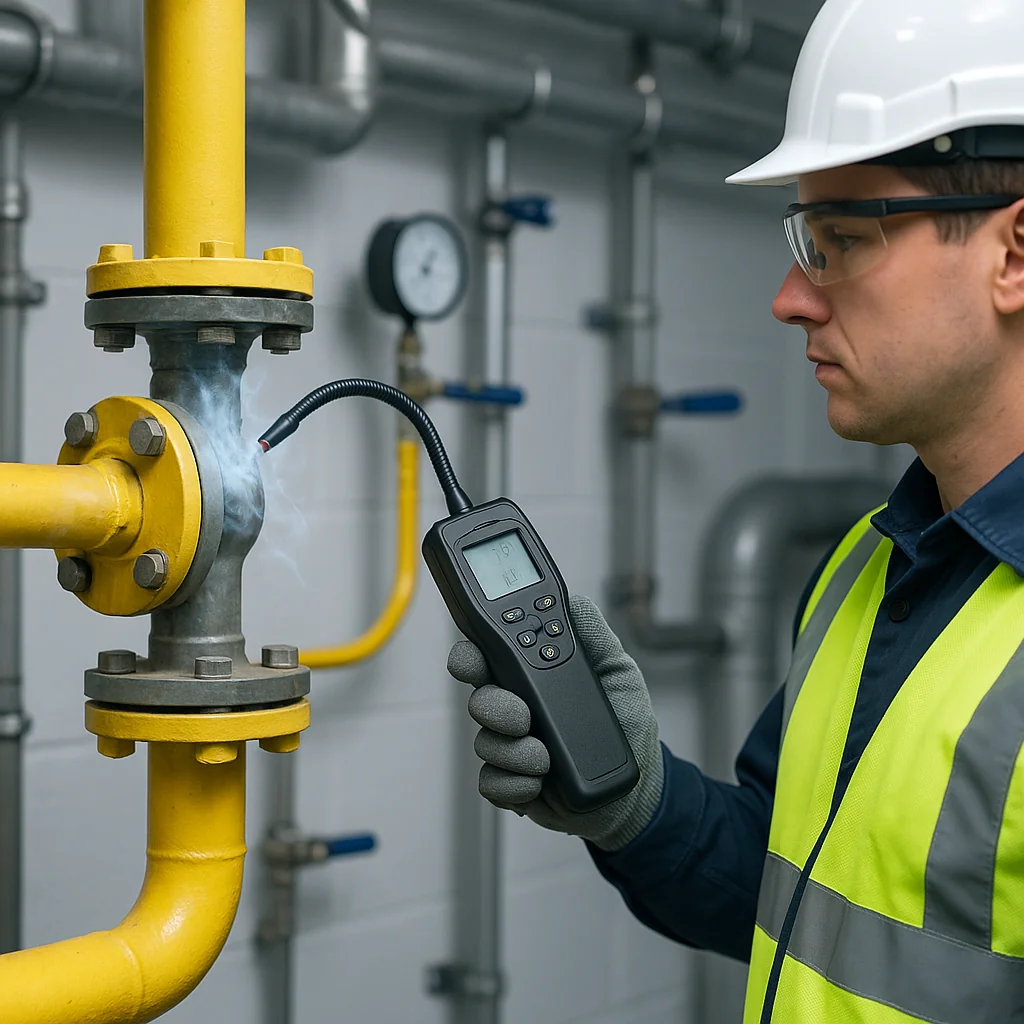
Why Professional Gas Leak Detection Is Essential in Newark
When it comes to gas leaks in Newark homes and businesses, relying solely on your sense of smell can be dangerously misleading. While natural gas companies add mercaptan—that distinctive rotten egg smell—to help detect leaks, this safeguard has significant limitations. Professional gas leak detection uses sophisticated equipment and proven techniques to identify problems long before they become noticeable to the human nose, potentially saving lives and preventing catastrophic property damage.
The reality is that not all gas leaks produce a detectable odor. Small, slow leaks may disperse before reaching your nostrils, leaks in outdoor lines might dissipate into the air, and certain conditions can mask or eliminate the warning smell entirely. This is where professional detection services become invaluable, using technology that measures gas concentrations in parts per million—far beyond what human senses can perceive.
The Limitations of Detecting Gas Leaks by Smell Alone
Your nose, while remarkably sensitive to certain odors, is an unreliable gas leak detector for several critical reasons. Understanding these limitations helps Newark residents and business owners appreciate why professional detection is necessary.
Olfactory Fatigue and Adaptation
One of the most dangerous aspects of relying on smell is olfactory fatigue. When exposed to an odor continuously, your nose becomes desensitized to it within minutes. This means that a gas leak occurring while you sleep or during extended periods in your home might go completely unnoticed. Your brain simply stops registering the smell as your olfactory receptors become saturated.
Additionally, individual sensitivity to mercaptan varies widely. Some people have a naturally diminished sense of smell due to age, medical conditions, smoking, or even common colds. What one person detects immediately might be completely imperceptible to another, creating dangerous situations where household members have false confidence in their ability to detect leaks.
Environmental Factors That Mask Gas Odors
Newark’s urban environment presents unique challenges for odor-based detection. Strong cooking smells, industrial odors from nearby facilities, vehicle exhaust, and other urban aromas can easily mask the smell of natural gas. In older buildings throughout neighborhoods like Vailsburg, musty basements and aged plumbing systems can produce their own unpleasant odors that confuse residents trying to identify potential gas leaks.
Weather conditions also play a significant role. High humidity can suppress odors, while strong winds can disperse gas before it accumulates to detectable concentrations. During Newark’s cold winters, when windows remain closed and heating systems work overtime, gas can accumulate in confined spaces—but it might also concentrate in areas where occupants spend little time, like crawl spaces or utility rooms.
Odor Fade and Chemical Interactions
A lesser-known phenomenon called odor fade occurs when the mercaptan odorant reacts with rust, soil, or other materials in gas lines. This chemical interaction can strip away the warning smell, allowing gas to leak without any odor whatsoever. This is particularly common in older gas line systems found throughout Newark’s historic neighborhoods, where decades-old pipes may have significant internal corrosion.
Advanced Technologies Used in Professional Gas Leak Detection
Professional gas leak detection relies on multiple technologies, each designed to identify leaks that human senses cannot detect. These tools provide precise measurements and can pinpoint leak locations with remarkable accuracy.
Electronic Combustible Gas Detectors
The workhorse of professional detection, electronic combustible gas detectors use sensors that respond to the presence of methane and other combustible gases. These instruments measure gas concentrations in parts per million (ppm) or as a percentage of the Lower Explosive Limit (LEL). Professional-grade detectors can identify gas concentrations as low as 5 ppm—far below what any human nose could detect.
These devices feature adjustable sensitivity settings, allowing technicians to scan large areas quickly and then zero in on specific locations with pinpoint accuracy. Modern detectors also include visual displays and audible alarms that increase in frequency as gas concentrations rise, helping technicians trace leaks back to their source even in complex piping systems.
Infrared Imaging Cameras
Infrared cameras represent cutting-edge technology in gas leak detection. These specialized cameras visualize gas leaks as visible plumes on a video screen, even in broad daylight and from a safe distance. Because methane absorbs infrared light at specific wavelengths, these cameras can detect leaks without physical contact with the gas line.
This technology is particularly valuable for surveying large areas quickly, inspecting difficult-to-reach locations, and identifying multiple leak points simultaneously. For emergency gas line leak repair situations, infrared cameras enable technicians to assess the full scope of a problem rapidly, ensuring no secondary leaks are overlooked during repairs.
Ultrasonic Leak Detectors
Gas escaping under pressure creates ultrasonic sound waves beyond the range of human hearing. Ultrasonic leak detectors convert these high-frequency sounds into audible signals or visual indicators, allowing technicians to locate leaks by sound rather than smell or gas concentration.
This method excels in noisy environments where other detection methods might be hampered. It’s also highly effective for detecting leaks in pressurized systems and can often pinpoint leak locations more precisely than other technologies, especially when dealing with multiple small leaks in close proximity.
Soap Bubble Testing
While it might seem low-tech compared to electronic instruments, soap bubble testing remains an invaluable verification method. Technicians apply a special soap solution to suspected leak points—connections, valves, fittings, and seams. Even the smallest leak will produce bubbles, providing visual confirmation of the leak location.
This method is particularly useful for verifying leaks after electronic detection and for testing repairs before restoring gas service. It requires no batteries, never needs calibration, and provides unmistakable visual evidence of leaks that might be too small for other methods to pinpoint precisely.
The Professional Gas Leak Detection Process
Understanding how professionals approach gas leak detection helps Newark property owners appreciate the thoroughness and expertise involved in protecting their homes and businesses.
Initial Assessment and Safety Protocols
Every professional detection service begins with a comprehensive safety assessment. Technicians evaluate the property for immediate hazards, ensure adequate ventilation, identify ignition sources, and establish safety perimeters if necessary. This systematic approach ensures both technician and occupant safety throughout the detection process.
During this phase, technicians gather critical information about the gas system: the age of the installation, previous repairs or modifications, the types of gas appliances connected, and any symptoms or concerns reported by occupants. This background information helps focus the detection effort on the most likely problem areas.
Systematic Scanning and Measurement
Professional technicians follow a methodical scanning pattern, starting from the gas meter and working through the entire system. They check every connection point, valve, regulator, and length of exposed piping. In Newark’s multi-story buildings common in areas like Eastside, this means thoroughly inspecting gas lines on every floor and in all utility spaces.
Technicians pay special attention to high-risk areas: connections behind appliances, shut-off valves that may not have been operated in years, flexible connectors that can deteriorate over time, and any sections of pipe that show signs of corrosion or physical damage. They also check less obvious locations like wall penetrations where pipes pass between rooms or floors.
Documentation and Reporting
Professional detection services include comprehensive documentation of findings. Technicians record gas concentration readings at various locations, photograph problem areas, and note the condition of system components. This documentation serves multiple purposes: it provides a baseline for future inspections, helps prioritize repairs, and offers evidence for insurance claims if necessary.
Detailed reports explain findings in understandable terms, recommend immediate actions for serious leaks, and suggest preventive measures to reduce future leak risks. This transparency helps property owners make informed decisions about repairs and system upgrades.
Common Gas Leak Scenarios That Evade Detection by Smell
Real-world experience reveals several common situations where gas leaks occur without producing noticeable odors, emphasizing the importance of professional detection services.
Underground Line Leaks
Gas lines buried beneath Newark properties frequently develop leaks that remain completely undetectable by smell. The soil absorbs and disperses gas before it reaches the surface, and the mercaptan odorant often reacts with minerals in the soil, eliminating the warning smell. These leaks can continue for months or years, wasting gas and potentially creating underground accumulations that eventually migrate into buildings.
Wall Cavity and Concealed Space Leaks
Leaks occurring within walls, beneath floors, or above ceilings often go unnoticed because gas disperses through building materials before reaching occupied spaces. By the time any odor becomes noticeable in living areas, significant gas has already accumulated in concealed spaces—creating dangerous conditions that occupants remain unaware of until catastrophic failure occurs.
Slow Leaks at Aging Connections
Threaded pipe connections, especially those in older homes throughout neighborhoods like Eastside (Sandy Hill), can develop micro-leaks as thread sealants deteriorate over decades. These leaks release gas so slowly that it disperses immediately, never accumulating to concentrations detectable by smell. However, over months and years, these tiny leaks can waste substantial amounts of gas and gradually worsen until they become hazardous.
When to Schedule Professional Gas Leak Detection
Newark property owners should understand when professional detection services are necessary, even in the absence of obvious warning signs.
Routine Preventive Inspections
Annual or biennial professional inspections should be standard practice for any property with natural gas service. These preventive inspections identify developing problems before they become emergencies, verify the integrity of aging systems, and provide peace of mind that your gas system operates safely.
After Natural Disasters or Ground Disturbance
Following earthquakes, floods, or significant ground disturbance from construction or landscaping, professional inspection is essential. These events can shift, stress, or damage underground gas lines in ways that create immediate or delayed leaks. Even if no odor is present, structural changes to gas lines warrant professional verification of system integrity.
When Purchasing or Renovating Property
Before purchasing Newark property or beginning renovations, professional gas leak detection should be part of your due diligence. Older gas systems may have accumulated multiple small leaks, improper modifications, or code violations that create safety hazards. Identifying these issues before closing or before walls are sealed during renovation prevents costly surprises and ensures compliance with current safety standards.
Unexplained Symptoms or Utility Bill Increases
Persistent headaches, nausea, fatigue, or dizziness without clear cause can indicate chronic low-level gas exposure. Similarly, unexplained increases in gas bills may signal leaks wasting fuel. In either case, professional detection can identify problems that produce no noticeable odor but nonetheless affect health and finances.
The Value of Professional Expertise Beyond Equipment
While advanced detection equipment is crucial, the expertise of trained technicians provides value that technology alone cannot deliver. Experienced professionals understand gas system design, recognize patterns that indicate specific problems, and know where leaks most commonly develop in different types of installations.
Professional technicians also understand Newark’s specific challenges: the age and construction methods of local buildings, common gas system configurations in different neighborhoods, and local soil conditions that affect underground lines. This localized knowledge enables more efficient detection and more accurate diagnosis of underlying problems.
Protecting Your Newark Property with Professional Detection
Gas leaks represent one of the most serious safety threats to Newark homes and businesses. While the distinctive mercaptan odor provides an important warning system, it’s far from foolproof. Professional gas leak detection using advanced technology and expert knowledge offers the comprehensive protection your property deserves.
The investment in professional detection services pays dividends in safety, peace of mind, and potentially prevented disasters. When dealing with an invisible, odorless, and potentially explosive hazard, relying on professional expertise isn’t just wise—it’s essential for protecting lives and property throughout Newark.
Leave a Reply