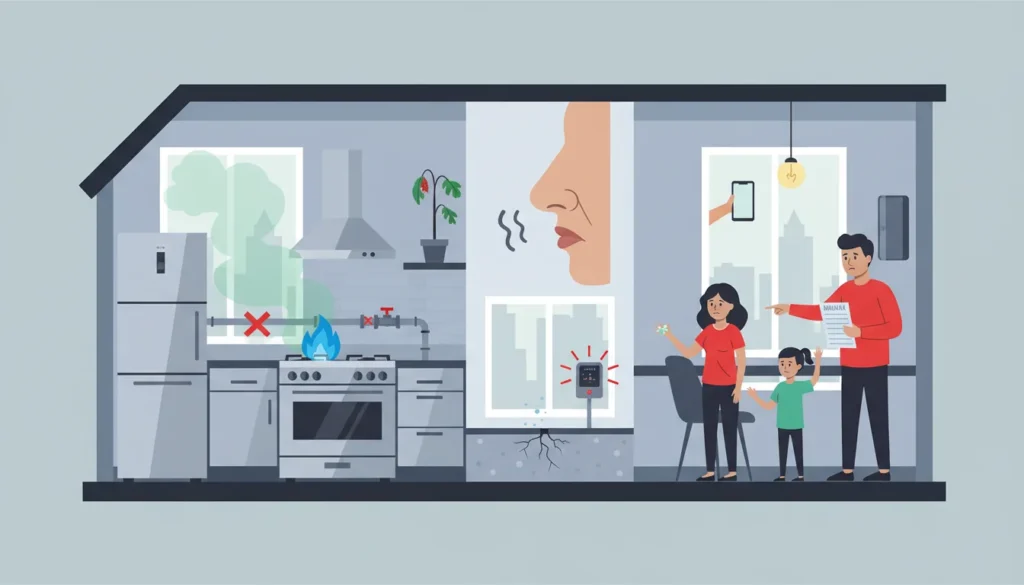
Recognizing Gas Leak Dangers in Newark Residences
Gas leaks are a serious safety hazard that requires immediate attention from qualified professionals. If you smell rotten eggs, hear hissing sounds near gas lines, or experience unexplained physical symptoms like headaches and nausea, you may have a leak. In Newark, older infrastructure and varying soil conditions can contribute to line deterioration. If you suspect a leak, evacuate the area immediately, avoid using electrical switches, and call NE Gas Line Emergency Services at (862) 693-0118. Do not attempt to locate or repair the leak yourself. Prompt action ensures the safety of your household and neighbors.
Understanding the Risks of Natural Gas
Natural gas is a common energy source for heating and cooking in Newark homes, but it carries inherent risks if not managed correctly. Because natural gas is odorless in its natural state, utility companies add a chemical called mercaptan to give it a distinct smell resembling rotten eggs. This additive is the primary warning mechanism for most homeowners. However, relying solely on smell is not enough. Physical signs, auditory cues, and changes in appliance performance also indicate potential issues. Understanding these gas leak warning signs Newark residents face is crucial for maintaining a safe living environment.
Newark’s diverse housing stock, from historic properties to new developments, means gas line conditions vary significantly. Older homes may have aging pipes susceptible to corrosion, while new constructions might face installation errors. Regardless of the age of your home, vigilance is necessary. Regular inspections and awareness of warning signs can prevent fires, explosions, and health issues associated with gas exposure.
Top 10 Warning Signs of a Gas Leak
Identifying a gas leak early can save lives and property. Below are the ten most common indicators that you should monitor closely within your home and around your property.
1. The Smell of Rotten Eggs
The most well-known sign of a gas leak is the distinct odor of sulfur or rotten eggs. This smell is intentionally added to natural gas so leaks can be detected easily. If you notice this scent indoors or outdoors near your gas meter, treat it as an emergency. Even a faint smell warrants investigation. Do not ignore it assuming it will go away. In areas like Clinton Hill, where historic homes are common, aging pipes may develop small fractures that release gas slowly, creating a persistent odor.
2. Hissing or Whistling Sounds
Gas escaping from a pressurized line often creates a audible hissing or whistling noise. This sound may be faint or loud depending on the size of the leak. Listen carefully near gas appliances, meters, and visible piping. If you hear this sound without an obvious source, such as a boiling kettle, it could indicate a breach in the line. Turn off the main gas valve if safe to do so and contact professionals immediately.
3. Dead or Discolored Vegetation
Gas leaks underground can suffocate plant roots by displacing oxygen in the soil. If you notice patches of grass dying unexpectedly or vegetation turning yellow brown near your gas line path, it may indicate an underground leak. This sign is often overlooked until the damage is extensive. Inspect your yard regularly, especially along the route where the gas line enters your home.
4. Dust or Dirt Blowing from a Hole
When gas escapes underground under pressure, it can blow dust or dirt out of small holes in the ground. You might see a small mound of dirt or notice dust blowing continuously from a specific spot in your yard. This is a clear visual indicator of high pressure gas escaping below the surface. Keep children and pets away from the area and call for emergency repair services.
5. Bubbles in Standing Water
If you have puddles or standing water near your gas line, watch for continuous bubbling. Escaping gas will rise through the water, creating bubbles similar to boiling. This sign is particularly relevant after heavy rain when water accumulates in low spots around the property. Persistent bubbling without a natural cause suggests a leak beneath the surface.
6. Unexplained Increase in Gas Bills
A sudden spike in your utility bill without increased usage is a strong financial indicator of a leak. If your heating habits have not changed but your bill has doubled, gas may be escaping before it reaches your appliances. Monitor your bills monthly to catch anomalies early. Addressing efficiency issues often involves Gas Line Code Compliance Repair to ensure your system meets current safety standards and operates efficiently.
7. Physical Symptoms of Exposure
Exposure to natural gas can cause physical health issues. Common symptoms include headaches, dizziness, nausea, fatigue, and breathing difficulties. If multiple family members or pets experience these symptoms simultaneously while indoors, fresh air may resolve them temporarily, but the source must be fixed. Prolonged exposure can lead to more severe health complications. Prioritize ventilation and seek medical attention if symptoms persist.
8. Pilot Lights Frequently Going Out
Gas appliances like water heaters and furnaces rely on pilot lights. If your pilot light keeps extinguishing despite relighting attempts, air may be mixing with the gas supply due to a leak. This inconsistency disrupts the flame stability. While it could be a dirty sensor, it is often a sign of pressure issues within the line. Professional diagnosis is required to distinguish between appliance malfunction and line leaks.
9. Discolored Flames on Appliances
Healthy gas flames should be blue. If you notice orange or yellow flames on your stove or furnace, it indicates incomplete combustion. This can be caused by a lack of oxygen or improper gas pressure resulting from a leak. Discolored flames produce carbon monoxide, which is deadly. Install carbon monoxide detectors and have your appliances inspected regularly to ensure safe operation.
10. Unusual Condensation on Windows
Excessive condensation on windows near gas appliances can indicate high moisture levels from combustion issues related to gas leaks. While condensation can occur from cooking or showering, persistent moisture near gas lines suggests abnormal operation. This sign often accompanies other indicators like discolored flames or odors. Check ventilation systems to ensure exhaust is functioning correctly.
Immediate Steps to Take If You Suspect a Leak
Safety is the priority when dealing with potential gas leaks. Follow these steps immediately if you observe any warning signs.
- Evacuate: Leave the building immediately. Do not stop to open windows or turn off appliances unless the valve is easily accessible on your way out.
- Avoid Sparks: Do not use light switches, phones, or anything that could create a spark. Electrical arcs can ignite gas.
- Call for Help: Once you are at a safe distance, call NE Gas Line Emergency Services at (862) 693-0118.
- Warn Others: Alert neighbors to stay away from the area until professionals declare it safe.
For residents in the Eastside neighborhood, response times are critical due to the density of housing. Quick action prevents escalation.
Preventative Maintenance and Repairs
Prevention is better than cure when it comes to gas lines. Regular maintenance reduces the risk of leaks and ensures efficient operation. Schedule annual inspections with certified technicians. They can check for corrosion, loose connections, and pressure issues. If you are renovating your home or adding new appliances, you may need Gas Line Relocation & Modification to accommodate new layouts safely.
Additionally, ensure all appliances are connected properly. Improper connections are a common cause of leaks in kitchens and laundry rooms. For specific appliance issues, Gas Appliance Gas Line Repair ensures that stoves, dryers, and heaters are sealed correctly. Homeowners should also know the location of their main gas shut-off valve and how to use it in an emergency.
Why Professional Repair is Essential
Gas line repair is not a DIY project. The risks of explosion and fire are too high to attempt repairs without specialized training and equipment. Professional technicians have the tools to detect leaks accurately using pressure tests and gas detectors. They also understand local Newark codes and regulations. Using licensed professionals ensures that repairs are compliant and safe. NE Gas Line Emergency Services provides rapid response and expert repair to restore safety to your home.
Conclusion on Gas Safety
Recognizing the 10 warning signs of a gas leak is the first step in protecting your Newark home. From the smell of rotten eggs to unexplained high bills, these indicators should never be ignored. Immediate evacuation and professional assistance are the only safe responses to a suspected leak. Regular maintenance and awareness keep your family safe from the dangers of natural gas. Trust qualified experts to handle all gas line needs efficiently.
Leave a Reply