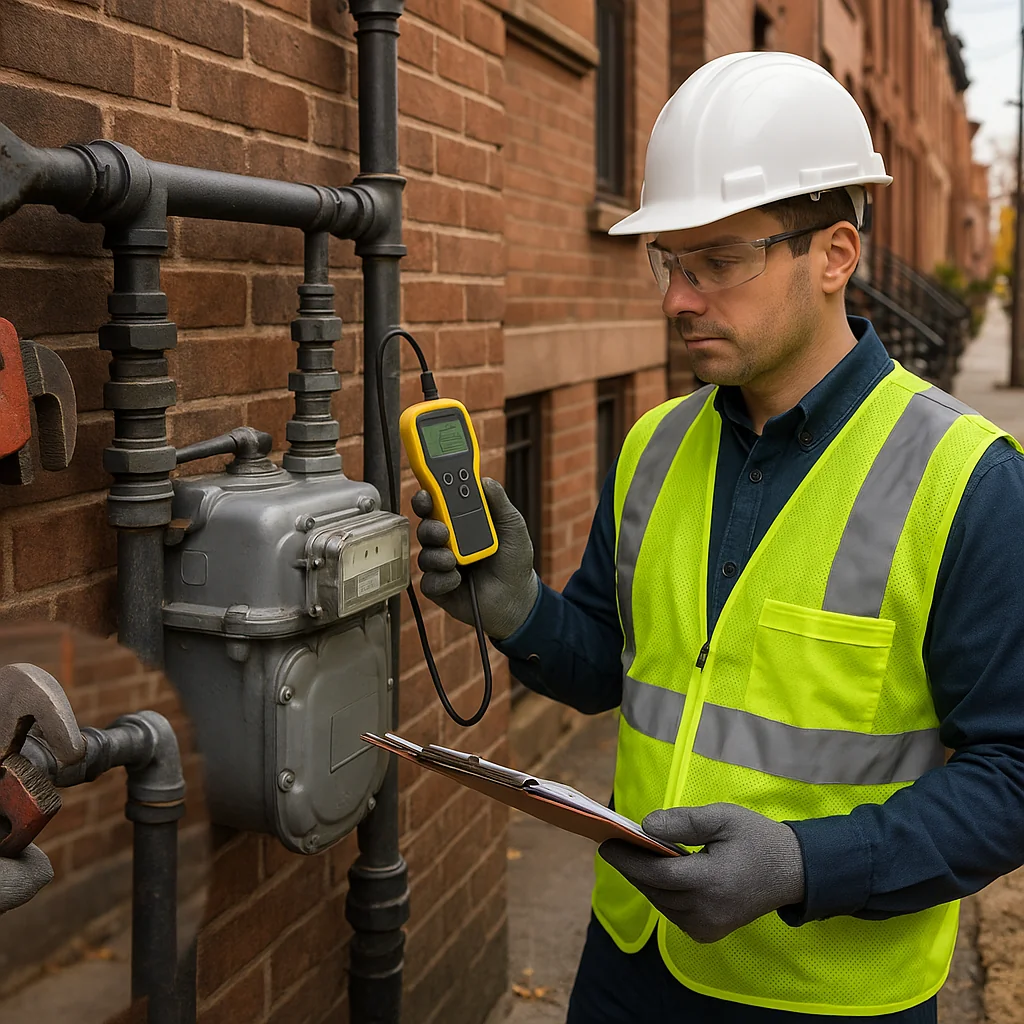
Understanding Your Gas Line Decision: Repair vs. Replace
As a Newark homeowner, discovering issues with your gas line can be stressful and concerning. Whether you’ve noticed a sulfur smell, heard a hissing sound, or been informed of problems during a routine inspection, you’re now facing a critical question: should you repair the existing line or invest in a complete replacement? The answer depends on several factors including the age of your system, the extent of damage, local code requirements, and long-term cost considerations.
This decision isn’t just about immediate costs—it’s about the safety of your family, the integrity of your home’s infrastructure, and compliance with Newark’s building codes. Making the wrong choice could lead to recurring problems, escalating repair costs, or even dangerous situations. This comprehensive guide will walk you through the key factors that should influence your decision, helping you make an informed choice that protects both your family and your investment.
Assessing the Severity of Your Gas Line Problem
The first step in determining whether to repair or replace your gas line is understanding the nature and extent of the problem. Not all gas line issues are created equal, and the severity of the damage plays a crucial role in your decision.
Minor Issues That Typically Warrant Repair
Some gas line problems are relatively straightforward and can be safely and effectively repaired without requiring full replacement. These include:
- Small, isolated leaks: A single leak at a connection point or fitting can often be repaired by tightening connections or replacing a small section of pipe
- Damaged fittings or valves: Individual components can be replaced without affecting the entire system
- Recent installations with warranty coverage: Newer systems with localized issues are typically good candidates for repair
- Minor corrosion spots: Surface-level corrosion on a small area of otherwise sound piping may be addressed through sectional replacement
Major Issues That Suggest Replacement
Other situations indicate that a full replacement is the safer, more cost-effective long-term solution:
- Multiple leak points: If your gas line has developed several leaks, it’s a sign of systemic failure
- Extensive corrosion: Widespread rust or corrosion throughout the system indicates the pipe has reached the end of its useful life
- Outdated materials: Older homes in neighborhoods like Vailsburg and Weequahic may have gas lines made from materials no longer considered safe or code-compliant
- Physical damage from excavation or construction: Crushed or severely bent pipes compromise structural integrity
- Code violations: Systems that don’t meet current safety standards often require complete replacement
Cost Analysis: Short-Term vs. Long-Term Investment
Understanding the financial implications of repair versus replacement requires looking beyond the immediate price tag. While repairs typically cost less upfront, they may not provide the best value over time.
Typical Repair Costs in Newark
Gas line repairs in Newark generally range from $150 to $800 depending on the complexity of the issue. Factors that influence repair costs include:
- Accessibility of the damaged section
- Whether excavation is required
- The specific component needing repair
- Emergency service timing (after-hours calls cost more)
- Permit and inspection fees required by Newark building codes
For homeowners dealing with issues related to specific appliances, gas appliance gas line repair services can address localized problems without affecting the entire system.
Typical Replacement Costs in Newark
Complete gas line replacement is a more substantial investment, typically ranging from $1,500 to $7,000 or more for Newark homes. The cost varies based on:
- Total length of gas line needed
- Number of appliances being served
- Complexity of the routing
- Material choice (black steel, flexible corrugated stainless steel, or copper)
- Excavation requirements for buried lines
- Permit fees and required inspections
The Hidden Costs of Repeated Repairs
When evaluating costs, consider the cumulative expense of multiple repairs. If your gas line requires a $500 repair today, another $600 repair in six months, and additional fixes over the next few years, you may end up spending more than a complete replacement would have cost—while still living with an aging, unreliable system.
Additionally, recurring gas line problems can lead to:
- Higher utility bills due to gas loss
- Potential property damage from leaks
- Increased home insurance premiums
- Reduced property value and complications during home sales
- Stress and safety concerns for your family
Safety Considerations: When Replacement Becomes Non-Negotiable
While cost is important, safety must be the primary consideration when dealing with gas lines. Natural gas is highly flammable, and even small leaks can create dangerous situations including fire hazards, explosions, and health problems from gas exposure.
Age of Your Gas Line System
The age of your gas line is one of the most critical safety factors. Gas lines typically last 30 to 50 years depending on material and environmental conditions. If your Newark home was built before 1990 and still has its original gas lines, replacement should be seriously considered even if you haven’t experienced obvious problems.
Many older Newark neighborhoods have homes with aging infrastructure that may not meet current safety standards. Regular inspections become increasingly important as systems age.
Material Concerns
Older gas lines may be constructed from materials that are now known to be problematic:
- Galvanized steel: Prone to internal corrosion that can’t be seen from outside
- Uncoated steel: Susceptible to rust and deterioration, especially in Newark’s climate with freeze-thaw cycles
- Early flexible connectors: Some older flexible lines have been recalled or are no longer considered safe
Modern gas line materials like corrugated stainless steel tubing (CSST) offer superior durability, flexibility during ground movement, and resistance to corrosion—making replacement with updated materials a worthwhile safety investment.
Environmental and Structural Factors
Newark’s urban environment presents unique challenges for gas line integrity:
- Ground shifting and settling in older neighborhoods
- Tree root intrusion affecting buried lines
- Moisture exposure in basements prone to dampness
- Temperature fluctuations causing expansion and contraction
- Vibration from nearby traffic or construction
If your gas line has been compromised by any of these factors, replacement with properly protected modern materials may be the only way to ensure long-term safety.
Code Compliance and Legal Requirements
Newark, like all New Jersey municipalities, enforces strict building codes governing gas line installation and maintenance. Understanding these requirements is essential when deciding between repair and replacement.
When Code Compliance Mandates Replacement
Certain situations require gas line replacement to meet current codes:
- Selling your home: Home inspections often reveal code violations that must be corrected before sale
- Major renovations: Significant remodeling projects may trigger requirements to bring gas lines up to current code
- Insurance requirements: Some insurers require code-compliant gas lines for coverage
- Utility company mandates: PSE&G may require upgrades during service changes
Professional gas line code compliance repair services can assess your system against current Newark requirements and recommend the necessary upgrades to ensure your home meets all legal and safety standards.
Permit and Inspection Requirements
Both repairs and replacements typically require permits from Newark’s Department of Engineering. However, replacement projects often involve more comprehensive inspections, which—while adding to initial costs—provide valuable verification that your new system is properly installed and safe.
Working with licensed professionals who understand Newark’s specific requirements ensures your project proceeds smoothly and passes all necessary inspections on the first attempt.
Making Your Decision: Key Questions to Ask
When faced with the repair-or-replace decision, ask yourself and your gas line professional these critical questions:
About Your Current System
- How old is my gas line system?
- What material is it made from?
- Has it been repaired before? How many times?
- Does it meet current Newark building codes?
- Are there any code violations that need addressing?
About the Current Problem
- Is this an isolated issue or part of a pattern?
- What caused the problem?
- Are other sections of the line likely to fail soon?
- Can the damaged section be accessed easily?
- Will a repair provide a permanent solution?
About Your Long-Term Plans
- How long do you plan to stay in your home?
- Are you planning any renovations that might affect gas lines?
- Do you plan to add gas appliances in the future?
- What is your budget for both immediate and future gas line work?
About Cost-Benefit Analysis
- What is the cost difference between repair and replacement?
- How long will a repair last versus a replacement?
- What is the annual cost of ownership for each option?
- Are there financing options available for replacement?
- Will replacement increase your home’s value?
Regional Considerations for Newark Homeowners
Newark’s diverse neighborhoods each present unique considerations for gas line decisions. Homes in areas like Eastside may have different infrastructure ages and challenges compared to other parts of the city.
Older Neighborhoods
If your home is in one of Newark’s historic neighborhoods with housing stock from the early-to-mid 20th century, your gas lines are likely approaching or past their expected lifespan. These areas often benefit most from complete replacement rather than ongoing repairs.
Newer Developments
Homes built in the last 20-30 years typically have gas lines that should still be in good condition. For these properties, repairs are more likely to be the appropriate choice unless there was a specific installation defect or unusual damage.
Climate and Soil Conditions
Newark’s clay-heavy soil and seasonal freeze-thaw cycles can be particularly hard on buried gas lines. Ground movement and moisture exposure accelerate corrosion and can cause joints to separate. If your gas line is buried and showing signs of age, replacement with modern corrosion-resistant materials may prevent future problems.
The Professional Assessment: Why Expert Opinion Matters
While this guide provides valuable information for making an informed decision, there’s no substitute for a professional assessment of your specific situation. A qualified gas line technician can:
- Conduct pressure testing to identify leaks you may not have detected
- Use specialized equipment to assess internal pipe condition
- Evaluate your entire system, not just the obvious problem area
- Provide accurate cost estimates for both repair and replacement options
- Identify code compliance issues before they become problems
- Offer insights based on experience with similar Newark homes
NE Gas Line Emergency Services provides comprehensive evaluations that give you all the information needed to make the right choice for your home and family. Our technicians understand Newark’s specific challenges and code requirements, and can provide honest recommendations based on safety and value rather than simply selling the most expensive option.
Red Flags That Indicate Replacement Is Necessary
Certain warning signs strongly suggest that replacement is the safer, smarter choice:
- Frequent repairs: If you’re calling for gas line service more than once every few years, the system is failing
- Multiple simultaneous problems: Issues appearing in different parts of the system indicate widespread deterioration
- Visible corrosion: Rust, flaking, or discoloration on exposed pipes signals advanced aging
- Failed pressure tests: Inability to maintain proper pressure indicates compromised pipe integrity
- Age over 40 years: Gas lines beyond this age are living on borrowed time
- Material recalls: If your gas line material has been subject to recalls or safety warnings
- Renovation triggers: Major home improvements often make gas line replacement cost-effective
- Insurance or sale requirements: When external parties mandate upgrades, replacement is often more practical than minimal repairs
Financial Planning and Payment Options
The cost of gas line replacement can be significant, but several options can make it more manageable:
Financing Programs
Many gas line service providers offer financing plans that spread the cost over time, making replacement more accessible even if you don’t have the full amount available upfront. Monthly payments can sometimes be comparable to or less than the cumulative cost of ongoing repairs.
Home Equity Options
For major replacements, a home equity line of credit (HELOC) may offer favorable interest rates, and the improvement may increase your home’s value by more than the cost of the work.
Insurance Coverage
Review your homeowner’s insurance policy—some policies cover gas line damage from specific causes. Additionally, some insurers offer discounts for homes with updated gas line systems due to reduced risk.
Utility Company Programs
Occasionally, utility companies offer rebates or incentive programs for gas line upgrades, particularly when they improve safety or efficiency. Check with PSE&G to see if any programs are currently available.
Taking Action: Next Steps for Newark Homeowners
If you’re experiencing gas line issues or concerned about your system’s age and condition, don’t delay taking action. Gas line problems only worsen over time, and the safety risks increase as deterioration progresses.
Schedule a professional assessment to get accurate information about your system’s condition and your options. A thorough evaluation will provide the foundation for making an informed decision about repair versus replacement.
Whether you ultimately choose repair or replacement, ensure the work is performed by licensed, experienced professionals who understand Newark’s specific requirements and challenges. Proper installation or repair is critical for safety, longevity, and code compliance.
Remember that investing in your home’s gas line system is investing in your family’s safety and your property’s value. While the upfront cost of replacement may seem daunting, the long-term benefits of a reliable, safe, code-compliant gas line system far outweigh the ongoing costs and concerns of maintaining a failing system.
Leave a Reply