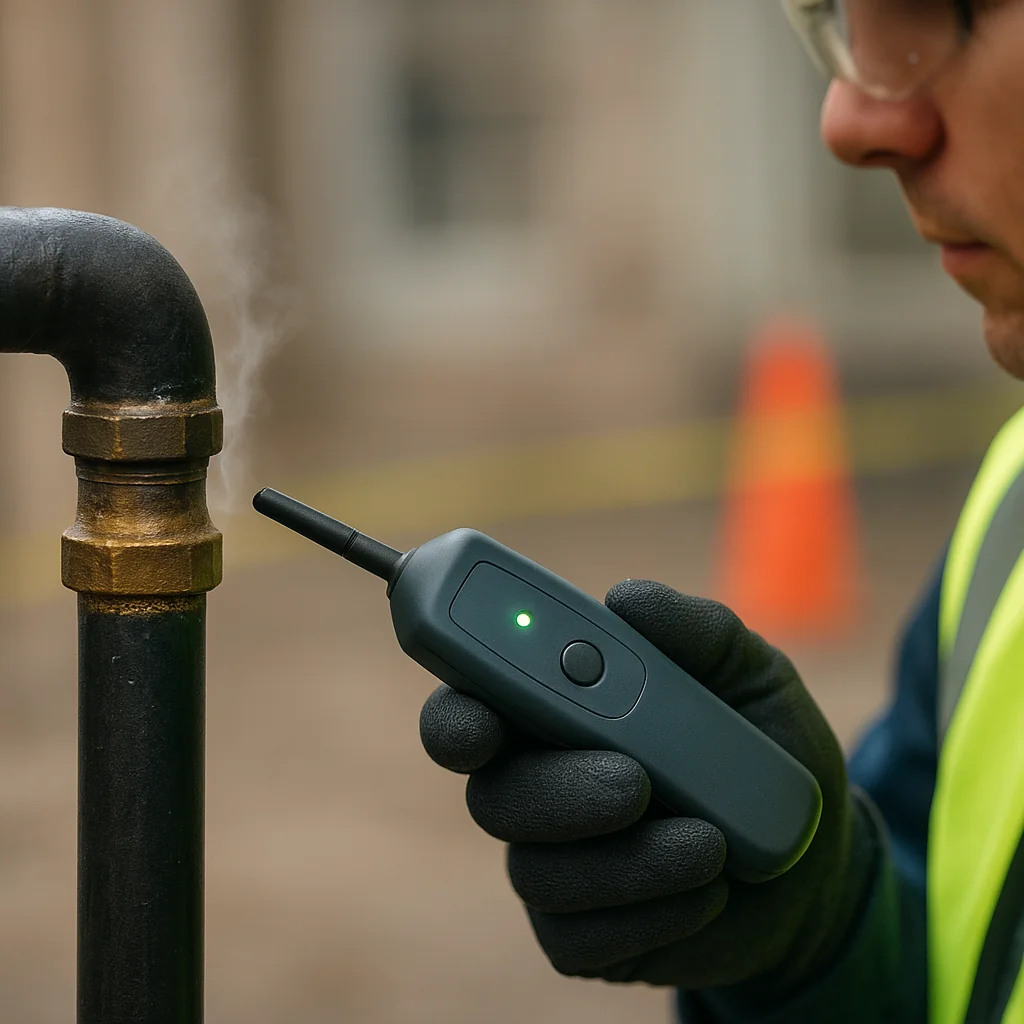
Understanding Joint and Fitting Leaks in Gas Line Systems
Joint and fitting leaks represent one of the most deceptive hazards in residential and commercial gas line systems throughout Newark. While these leaks may start small and seemingly insignificant, they create dangerous conditions that can escalate into catastrophic events. Unlike obvious pipeline ruptures, joint and fitting leaks often go undetected for extended periods, allowing natural gas to accumulate in confined spaces where a single spark could trigger an explosion or fire.
Gas line joints and fittings are the connection points where sections of pipe meet, change direction, or branch off to supply different appliances. These critical junctions experience constant stress from thermal expansion and contraction, vibration from nearby equipment, and the natural settling of building structures. Over time, even properly installed connections can develop microscopic gaps that allow gas to escape. In Newark’s older neighborhoods, where many homes feature gas line systems installed decades ago, the risk of joint deterioration becomes particularly acute.
Why Joints and Fittings Are Vulnerable Points
The fundamental challenge with gas line joints and fittings lies in their design. Unlike continuous pipe sections, these connections rely on threading, compression, or welding to maintain a perfect seal against gas under pressure. Each connection method has inherent vulnerabilities that become more pronounced over time.
Threaded Connections
Threaded joints use pipe dope or Teflon tape to seal the microscopic gaps between male and female threads. However, these sealants can dry out, crack, or degrade when exposed to temperature fluctuations common in Newark’s climate. The freeze-thaw cycles of winter followed by hot, humid summers create expansion and contraction that gradually loosens threaded connections. Additionally, improper installation techniques—such as insufficient thread engagement or cross-threading—can compromise the seal from the outset.
Compression Fittings
Compression fittings rely on a ferrule or compression ring that deforms when tightened, creating a seal against the pipe. These fittings are popular for their ease of installation but are susceptible to vibration loosening. In homes with gas appliances near washing machines, HVAC systems, or other vibrating equipment, compression fittings can gradually work loose. The rubber or brass components can also corrode when exposed to moisture, particularly in basements and crawl spaces where humidity levels remain high.
Welded and Brazed Joints
While generally more reliable than mechanical connections, welded and brazed joints can develop microscopic cracks due to improper technique during installation or stress from building movement. Newark’s older buildings, many constructed on fill soil near the Passaic River, experience more settling than structures on stable ground, placing additional stress on rigid welded connections.
The Hidden Dangers of Small Gas Leaks
The insidious nature of joint and fitting leaks stems from their typically slow release rate. A small leak might release only a few cubic feet of gas per day—barely detectable by smell and insufficient to trigger most gas detectors at their default sensitivity settings. However, this seemingly minor escape of natural gas creates multiple serious hazards.
Accumulation in Confined Spaces
Natural gas is lighter than air and will rise to accumulate in upper floors, attics, and ceiling spaces. In poorly ventilated areas, even a small leak can create explosive concentrations over time. Newark’s historic homes often feature complex architectural details with hidden voids and enclosed spaces where gas can collect unnoticed. A concentration of just 5-15% natural gas in air becomes explosive—a threshold that a minor leak can reach in an enclosed space within hours or days.
Carbon Monoxide Production
When gas appliances receive insufficient oxygen due to gas leaks affecting combustion air supply, they produce dangerous levels of carbon monoxide. This colorless, odorless gas causes symptoms easily mistaken for flu or fatigue, including headaches, dizziness, nausea, and confusion. Prolonged exposure can result in permanent neurological damage or death. Many Newark residents have experienced carbon monoxide issues without realizing a small fitting leak was the root cause.
Fire and Explosion Risk
The most catastrophic consequence of joint and fitting leaks is the potential for fire or explosion. Natural gas requires only a small ignition source—a pilot light, electrical spark, or even static electricity—to ignite. Once ignited in a confined space with accumulated gas, the resulting explosion can destroy entire structures and cause severe injuries or fatalities. Newark has witnessed several gas-related incidents over the years where small, undetected leaks led to devastating outcomes.
Detecting Joint and Fitting Leaks
Early detection of joint and fitting leaks is essential for preventing dangerous situations. Professional technicians use multiple methods to identify even the smallest leaks, but homeowners should also understand basic detection techniques.
The Soap Bubble Test
Applying a solution of dish soap and water to suspected joints and fittings remains one of the most reliable detection methods. If bubbles form, gas is escaping. This simple test can be performed on accessible connections, particularly those near gas meters, appliance shutoff valves, and visible pipe runs in basements.
Electronic Gas Detectors
Professional-grade combustible gas detectors can identify concentrations as low as 50 parts per million, making them far more sensitive than human smell. During emergency gas line leak repair calls, technicians systematically survey all joints and fittings with these instruments to locate even microscopic leaks.
Pressure Testing
The most definitive method for identifying leaks involves isolating sections of gas line and monitoring pressure over time. A drop in pressure indicates gas is escaping somewhere in that section. This testing method is particularly important when bringing older systems up to current gas line code compliance standards, as it can reveal hidden problems in concealed piping.
Visual and Auditory Inspection
Experienced technicians can often identify problematic fittings through visual inspection, looking for corrosion, discoloration, or physical damage. Larger leaks may produce a hissing sound audible near the fitting. Dead vegetation near outdoor gas lines can also indicate underground leaks at buried fittings.
Common Causes of Joint and Fitting Failures
Understanding why joints and fittings fail helps homeowners and property managers take preventive measures and recognize high-risk situations.
Age and Material Degradation
Older gas line systems in Newark neighborhoods like Vailsburg and Weequahic often feature materials and connection methods that no longer meet current safety standards. Cast iron pipes with lead-caulked joints, common in pre-1950s construction, are particularly prone to failure as the lead deteriorates and the cast iron corrodes. Even systems from the 1970s and 1980s may use materials now known to be inadequate for long-term gas service.
Improper Installation
Many fitting leaks result from installation errors: insufficient thread engagement, improper tightening torque, incompatible materials, or failure to use appropriate sealants. DIY repairs and work by unqualified contractors contribute significantly to this problem. Professional installation following manufacturer specifications and local codes is essential for reliable, safe connections.
Physical Stress and Vibration
Gas lines and their fittings were designed for static installation, but they often experience unexpected stress. Renovations that remove structural supports, additions that change load distribution, and even heavy items stored against gas pipes can create bending forces at fittings. Vibration from appliances, nearby traffic, or construction activity can gradually loosen mechanical connections.
Corrosion and Chemical Exposure
Moisture, soil chemistry, and chemical exposure accelerate fitting deterioration. Basements with water intrusion issues, gas lines near swimming pool equipment or chemical storage, and outdoor fittings exposed to de-icing salts face elevated corrosion risk. Dissimilar metals in contact (such as brass fittings on steel pipe) can create galvanic corrosion that rapidly degrades the connection.
Professional Repair and Prevention Strategies
Addressing joint and fitting leaks requires professional expertise and proper materials. Attempting DIY repairs on gas lines is extremely dangerous and illegal in most jurisdictions, including Newark.
Complete Fitting Replacement
When a fitting shows signs of leakage, the only acceptable repair is complete replacement. Simply tightening a leaking fitting may temporarily stop the leak but does not address the underlying seal failure. Professional technicians will shut off gas supply, properly purge the line, remove the defective fitting, and install a new fitting with appropriate sealants and torque specifications.
System Upgrades for Older Homes
Homes with aging gas line systems benefit from comprehensive upgrades that replace all vulnerable joints and fittings. This approach, while more costly upfront, provides long-term safety and peace of mind. Modern materials like corrugated stainless steel tubing (CSST) with properly installed fittings offer superior reliability compared to older rigid pipe systems with numerous threaded connections.
Regular Inspection Programs
Proactive inspection of gas line systems should occur annually, with particular attention to all accessible joints and fittings. Professional inspections can identify early warning signs—slight corrosion, minor weeping, or loose connections—before they develop into dangerous leaks. This preventive approach is especially important for rental properties, commercial buildings, and homes with multiple gas appliances that place higher demands on the system.
Proper Support and Protection
Ensuring gas lines have adequate support at recommended intervals reduces stress on fittings. Protecting pipes from physical damage, moisture exposure, and temperature extremes extends system life. In earthquake-prone areas or buildings subject to significant vibration, flexible connectors at appliances can absorb movement that would otherwise stress rigid fittings.
Newark-Specific Considerations
Newark’s unique characteristics create specific challenges and considerations for gas line safety. The city’s housing stock includes many structures built before modern gas codes existed, with original gas line systems that may have never been properly updated. The proximity to industrial areas means some properties face exposure to corrosive atmospheric conditions that accelerate fitting degradation.
Newark’s diverse architecture, from Victorian homes in the Forest Hill neighborhood to mid-century garden apartments, means gas line configurations vary widely. Older multi-family buildings often feature complex gas line routing with numerous fittings, increasing potential failure points. The city’s ongoing revitalization efforts bring contractors of varying skill levels, making it crucial for property owners to verify that any gas line work meets professional standards.
Local building codes and utility requirements in Newark mandate specific materials and installation practices for gas line systems. Property owners undertaking renovations or experiencing gas line issues should ensure all work complies with these regulations to maintain safety and avoid liability issues.
When to Call for Emergency Service
Certain situations require immediate professional response. If you smell gas (the distinctive sulfur or rotten egg odor added to natural gas), hear hissing near gas lines, notice dead vegetation near underground lines, experience symptoms of carbon monoxide exposure, or see visible damage to gas pipes or fittings, evacuate immediately and call for help from a safe location.
Do not attempt to locate the leak source, do not operate electrical switches or create any potential ignition source, and do not re-enter the building until professionals have declared it safe. Even if you suspect only a small leak at a fitting, the potential consequences demand immediate professional attention.
NE Gas Line Emergency Services provides 24/7 response throughout Newark for gas line emergencies. Our technicians arrive equipped to quickly identify leak sources, make immediate repairs to restore safety, and recommend any additional work needed to prevent future issues. We understand that gas line emergencies create stress and anxiety, and we work efficiently to resolve problems while keeping property owners informed throughout the process.
The Cost of Neglect vs. Proactive Maintenance
Property owners sometimes hesitate to address minor gas line issues due to cost concerns, but this calculation fails to account for the true risk. A small fitting leak that costs a few hundred dollars to repair professionally can, if neglected, lead to property damage, injury, or loss of life with costs measured in hundreds of thousands or millions of dollars—not to mention the immeasurable human toll.
Insurance coverage for gas-related incidents often includes exclusions for damage resulting from neglected maintenance or known defects. Homeowners who were aware of potential gas line issues but failed to address them may find themselves personally liable for resulting damage. The modest cost of professional inspection and repair provides not just safety but also financial protection.
Regular maintenance and prompt repair of identified issues actually reduces long-term costs by preventing emergency situations, extending system life, and maintaining efficient appliance operation. A well-maintained gas line system with sound fittings and joints will serve safely for decades, while a neglected system becomes increasingly dangerous and expensive to operate.
Leave a Reply