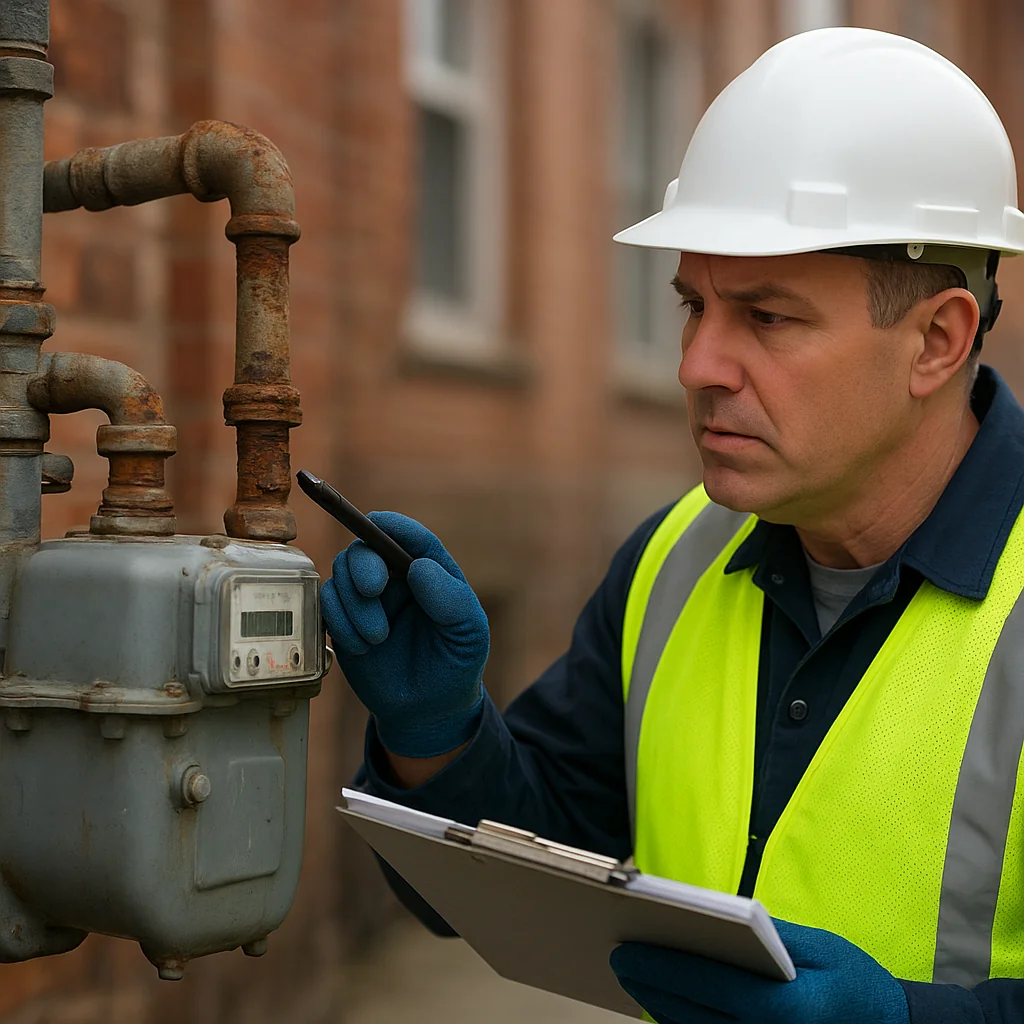
Understanding Failed Gas Inspections in Newark
If you’ve recently experienced a failed gas inspection in Newark, you’re not alone. Many homeowners and business owners face inspection rejections due to common gas line issues that often go unnoticed until an official inspection takes place. Whether you’re buying a home, selling a property, or simply maintaining your gas system, understanding why gas inspections fail is crucial for safety and compliance. In Newark, where older buildings mix with newer construction, gas line problems can range from outdated materials to improper installations that don’t meet current safety standards.
The good news is that most inspection failures are correctable. By identifying the specific issues that caused your rejection and working with qualified professionals, you can bring your gas system up to code and pass your reinspection. This guide will walk you through the most common gas line problems that cause inspection failures in Newark and provide actionable solutions to address them.
Why Gas Inspections Fail: The Most Common Culprits
Gas inspections are rigorous for good reason—natural gas is highly flammable and potentially dangerous when systems aren’t properly maintained. Newark’s building codes and safety regulations are designed to protect residents and property, which means inspectors follow strict guidelines when evaluating gas line systems.
Outdated or Corroded Gas Piping
One of the leading causes of failed gas inspections in Newark is the presence of outdated or corroded gas piping. Many older homes in neighborhoods throughout the city still have gas lines made from materials that are no longer considered safe or up to code. Black iron pipes, while once standard, can corrode over time, especially in basements and other areas with high moisture levels. Galvanized steel pipes are particularly problematic, as they’re prone to internal corrosion that restricts gas flow and creates potential leak points.
Inspectors will fail systems with visible corrosion, rust, or deterioration. If your property has gas lines that are several decades old, there’s a strong possibility they’ll need replacement. Modern systems typically use CSST (Corrugated Stainless Steel Tubing) or black iron pipe that’s properly coated and maintained. When dealing with aging infrastructure, gas line relocation and modification services may be necessary to bring your system up to current standards.
Improper Gas Line Sizing and Pressure Issues
Gas lines must be properly sized to deliver adequate fuel to all appliances while maintaining safe pressure levels throughout the system. A common inspection failure occurs when gas lines are undersized for the number or type of appliances they serve. This is particularly common in homes where appliances have been added or upgraded without corresponding gas line modifications.
For example, if you’ve installed a new high-efficiency furnace, tankless water heater, or commercial-grade cooking range, your existing gas lines may not be adequate to supply the required BTU (British Thermal Units) demand. Inspectors use specific calculations based on pipe diameter, length, and appliance requirements to determine if your system is properly sized. Undersized lines can cause poor appliance performance, dangerous pressure drops, and potential safety hazards.
Gas Leaks and Connection Problems
Perhaps the most serious reason for inspection failure is the presence of gas leaks, no matter how small. Inspectors use sensitive detection equipment to identify even minor leaks at connections, valves, regulators, and along pipe runs. Common leak locations include threaded connections that weren’t properly sealed with approved pipe dope or Teflon tape, loose fittings, damaged flex connectors, and corroded pipe sections.
Gas leaks represent an immediate safety hazard and must be repaired before a property can pass inspection. Even a small leak that seems insignificant can accumulate gas in enclosed spaces, creating explosion or asphyxiation risks. Professional gas line leak repair should always be performed by licensed technicians who can properly diagnose leak sources and make code-compliant repairs.
Code Compliance Issues That Cause Inspection Rejection
Beyond physical problems with the gas lines themselves, many inspection failures result from code compliance violations. Newark follows state and local building codes that specify exactly how gas systems must be installed, supported, and protected.
Missing or Improper Gas Shutoff Valves
Current codes require accessible shutoff valves at specific locations throughout your gas system. Each gas appliance must have its own dedicated shutoff valve within a certain distance of the appliance (typically within six feet). Additionally, there must be a main shutoff valve at the gas meter that’s easily accessible in case of emergency.
Inspectors frequently cite violations when shutoff valves are missing, inaccessible (blocked by storage or built over), or of the wrong type. Ball valves are typically required for gas shutoffs, as they provide positive on/off control. Older gate valves or damaged valves will result in inspection failure. Ensuring gas line code compliance often involves installing new shutoff valves in proper locations and ensuring they meet current standards.
Inadequate Support and Protection of Gas Lines
Gas pipes must be properly supported at specified intervals to prevent sagging, stress on connections, and potential damage. Inspectors will fail systems where pipes are inadequately supported, hanging loosely, or resting on objects that could shift or deteriorate. Horizontal runs typically require support every four to six feet, depending on pipe size and material.
Additionally, gas lines must be protected from physical damage. Pipes running through walls or floors need protective sleeves, and lines in areas where they could be struck or damaged require guards or protective barriers. Exposed gas lines in garages, for instance, must be installed at least six feet above the floor or protected to prevent vehicle damage.
Improper Ventilation and Clearances
While not strictly a gas line issue, improper ventilation for gas appliances often goes hand-in-hand with gas system inspections. Appliances like furnaces, water heaters, and boilers require adequate combustion air and proper venting to operate safely. Inspectors will check that gas appliances have sufficient clearance from combustible materials and that ventilation systems are properly installed and functioning.
Blocked vents, damaged flue pipes, or insufficient combustion air can all result in inspection failure. These issues are particularly common in finished basements where renovations have enclosed appliances without maintaining proper clearances or ventilation access.
Location-Specific Challenges in Newark
Newark’s diverse housing stock presents unique challenges when it comes to gas inspections. Different neighborhoods have different typical issues based on the age and construction of buildings in those areas.
Older Urban Housing Stock
In established neighborhoods like Vailsburg, many homes date back several decades and may have gas systems that were installed before current safety standards existed. These properties often require extensive updates to pass modern inspections. Original gas lines may run through walls without proper sleeves, lack adequate shutoff valves, or use materials that are no longer code-compliant.
Multi-family buildings present additional complications, as gas systems often serve multiple units with complex piping arrangements. Shared gas meters, improperly divided gas lines, and modifications made by previous owners or tenants can create code violations that require professional assessment and correction.
Recent Renovations and Additions
Properties in areas like Eastside that have undergone recent renovations sometimes fail inspections due to unpermitted work or DIY modifications that don’t meet code requirements. Homeowners who’ve added gas appliances, finished basements, or renovated kitchens without proper permits often discover during inspections that their gas work wasn’t done to code.
Common renovation-related failures include improperly sized gas lines for new appliances, missing shutoff valves, inadequate ventilation, and gas lines that weren’t properly tested after installation. Any time you modify your gas system, it’s essential to work with licensed professionals and obtain proper permits to ensure the work will pass inspection.
How to Address Failed Gas Inspections
Receiving a failed inspection report can be stressful, but it’s important to view it as an opportunity to improve your property’s safety and value. The inspection report should detail specific violations that need correction.
Review the Inspection Report Carefully
Your inspection report will list each violation found during the inspection. Read through it carefully and make sure you understand each item. Violations are typically categorized by severity, with safety hazards requiring immediate attention. If anything is unclear, don’t hesitate to contact the inspector for clarification before beginning repairs.
Work with Licensed Gas Professionals
Gas line repairs and modifications must be performed by licensed professionals. Attempting DIY repairs on gas systems is dangerous and illegal in most jurisdictions. Contact a qualified gas line service provider who’s familiar with Newark’s building codes and inspection requirements. Experienced technicians can assess your system, explain what needs to be corrected, and perform all necessary repairs to code.
When selecting a contractor, verify they’re properly licensed and insured. Ask about their experience with inspection failures and code compliance work. A reputable company should be able to provide references and explain their approach to bringing your system up to code.
Address All Violations Before Reinspection
It’s crucial to address every violation listed in your inspection report, not just the ones that seem most serious. Inspectors will check that all previously cited issues have been corrected during reinspection. Leaving any violation unaddressed will result in another failed inspection, additional fees, and further delays.
Some violations may require multiple trades. For example, if your gas water heater lacks proper ventilation, you may need both gas line work and HVAC work to bring it into compliance. Coordinate with your contractors to ensure all aspects of each violation are fully addressed.
Preventing Future Inspection Failures
Once you’ve corrected the issues that caused your initial inspection failure, take steps to maintain your gas system and prevent future problems.
Schedule Regular Maintenance
Annual gas system inspections by a qualified technician can identify potential issues before they become serious problems. Regular maintenance includes checking for leaks, inspecting connections, testing pressure, and ensuring all components are functioning properly. This proactive approach can prevent emergency situations and make future official inspections much smoother.
Obtain Permits for All Gas Work
Never attempt to modify your gas system without proper permits. Any time you add appliances, relocate gas lines, or make changes to your gas system, contact your local building department to determine permit requirements. Permitted work is inspected during installation, which helps ensure it’s done correctly and will pass future inspections.
When you need gas appliance gas line repair or modifications, always work with licensed professionals who will obtain necessary permits and ensure work meets all code requirements.
Document All Repairs and Upgrades
Keep detailed records of all gas system work performed on your property. This documentation is valuable during property sales, refinancing, or insurance claims. Maintain copies of permits, inspection reports, contractor invoices, and warranty information. This paper trail demonstrates that your gas system has been properly maintained and can expedite future inspections.
The Importance of Gas Safety in Newark
While dealing with a failed gas inspection can be frustrating and expensive, it’s important to remember that these inspections exist to protect you, your family, and your community. Natural gas is an efficient and economical fuel source, but it requires respect and proper handling. Gas leaks can lead to explosions, fires, carbon monoxide poisoning, and other serious hazards.
Newark’s inspection requirements reflect the city’s commitment to resident safety. By maintaining your gas system properly and addressing violations promptly, you’re not only complying with regulations—you’re investing in the safety and value of your property. A properly functioning, code-compliant gas system provides peace of mind and can actually increase your property’s market value by demonstrating responsible maintenance.
When to Call for Emergency Gas Service
While addressing inspection failures is important, some gas issues require immediate attention regardless of inspection status. If you smell gas (a distinctive sulfur or rotten egg odor), hear hissing near gas lines, or notice dead vegetation near underground gas lines, evacuate immediately and call your gas utility company and emergency services.
After ensuring everyone’s safety, contact NE Gas Line Emergency Services at (862) 693-0118 for immediate assistance. Never attempt to locate or repair gas leaks yourself, and don’t use electrical switches, phones, or anything that could create a spark if you suspect a gas leak in your home.
For non-emergency gas line concerns, inspection failures, or code compliance issues, NE Gas Line Emergency Services provides comprehensive gas line services throughout Newark. Our licensed technicians understand local codes and inspection requirements, and we can help you address violations efficiently and effectively.
Leave a Reply