Understanding Why Your Gas Leak Keeps Coming Back
If you’ve experienced a gas leak that was supposedly fixed, only to detect that familiar sulfur smell or hear that hissing sound again weeks or months later, you’re not alone. Many Newark homeowners face recurring gas leaks because the initial repair addressed only the symptom rather than the underlying cause. Temporary patches, quick fixes, and surface-level repairs might stop the immediate leak, but they often fail to resolve the structural issues, corrosion, or installation problems that created the leak in the first place. Understanding the difference between temporary and permanent gas line repairs can save you money, protect your property, and most importantly, keep your family safe from the serious dangers associated with natural gas leaks.
The Problem with Temporary Gas Line Repairs
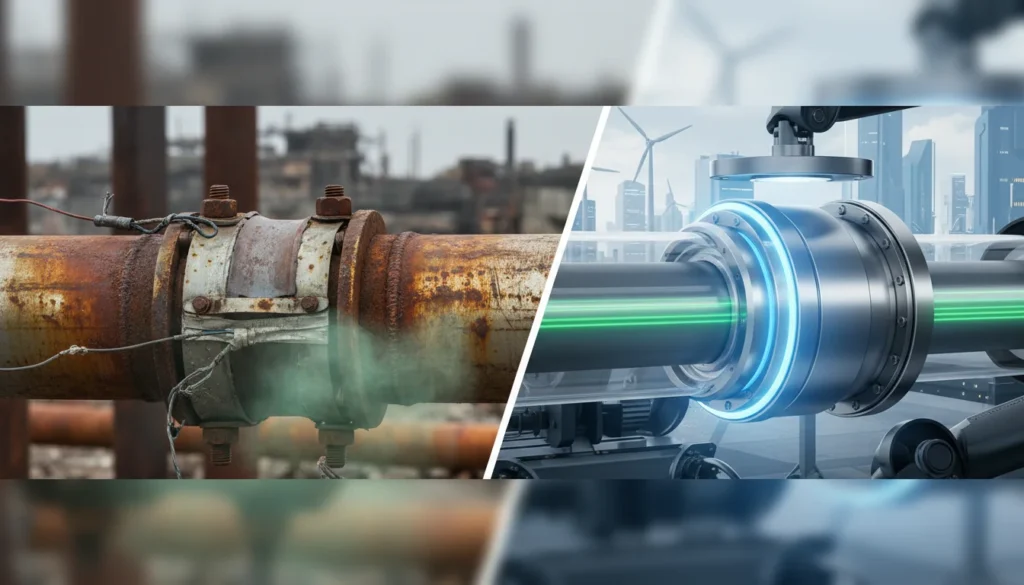
Temporary repairs are often applied as emergency measures to stop an active gas leak quickly. While these interventions serve an important purpose in immediate crisis situations, they’re rarely designed to last long-term. Common temporary fixes include pipe clamps, epoxy compounds, rubber patches, and compression fittings that may hold for days, weeks, or even months before failing again.
The fundamental issue with temporary repairs is that they treat the visible leak point without investigating or addressing what caused the leak initially. Gas pipes don’t typically fail randomly—there’s always an underlying reason. Whether it’s corrosion from age, improper installation, ground movement, excessive pressure, or material degradation, these root causes continue to affect the gas line even after a temporary patch is applied.
Why Quick Fixes Fail Over Time
Several factors contribute to the failure of temporary gas line repairs:
- Continued Corrosion: If rust or corrosion caused the original leak, it doesn’t stop just because a patch was applied. The corrosion continues to spread along the pipe, weakening adjacent sections.
- Pressure Fluctuations: Natural gas systems operate under pressure, and this constant force tests every weak point in your lines. Temporary patches often can’t withstand long-term pressure cycling.
- Temperature Changes: Newark experiences significant temperature variations throughout the year. Expansion and contraction from seasonal changes can compromise temporary seals and patches.
- Material Incompatibility: Some quick-fix materials aren’t designed for gas line applications and may degrade when exposed to natural gas or the compounds added to it.
- Vibration and Movement: Gas appliances create vibrations, and buildings naturally settle and shift. These movements can dislodge or weaken temporary repairs.
Common Causes of Recurring Gas Leaks in Newark Homes
Understanding why gas leaks recur in Newark properties specifically requires looking at both universal gas line issues and local factors that affect our area.
Aging Infrastructure
Many Newark homes, particularly in neighborhoods like Clinton Hill and Eastside (Sandy Hill), were built decades ago with gas lines that have reached or exceeded their expected lifespan. Older black iron pipes are particularly susceptible to internal corrosion, while early plastic gas lines may have become brittle over time.
Soil Conditions and Ground Movement
Newark’s soil composition and seasonal freeze-thaw cycles can cause ground movement that stresses underground gas lines. This is especially problematic where gas lines enter foundations or transition from underground to above-ground sections. Even minor shifts can create stress points that lead to cracks or joint separation.
Improper Previous Repairs
Unfortunately, some recurring leaks stem from previous repair attempts that weren’t done correctly. Improperly torqued fittings, incompatible materials, or repairs that didn’t follow current code requirements can create new leak points or accelerate deterioration in adjacent pipe sections.
Corrosion from Multiple Sources
Gas lines face corrosion threats from multiple directions: external corrosion from soil moisture and chemicals, internal corrosion from condensation and gas additives, and galvanic corrosion when dissimilar metals are joined without proper isolation. A repair that addresses only one corrosion source leaves the pipe vulnerable to continued deterioration.
How Permanent Gas Line Repairs Actually Work
Permanent gas appliance gas line repair solutions take a comprehensive approach that addresses both the immediate leak and its underlying causes. Here’s what distinguishes a permanent fix from a temporary patch:
Complete Section Replacement
Rather than patching a leak point, permanent repairs typically involve replacing the entire affected section of gas line. This eliminates not just the visible leak but also any weakened pipe material surrounding it. Professional technicians assess the condition of adjacent pipe sections to determine the appropriate replacement length.
Modern Materials and Methods
Permanent repairs use materials specifically designed and code-approved for gas line applications. This might include:
- Corrugated Stainless Steel Tubing (CSST): Flexible, corrosion-resistant, and easier to route through existing structures
- Black Steel Pipe: Traditional and durable when properly installed with appropriate corrosion protection
- Polyethylene (PE) Pipe: For underground applications, resistant to corrosion and ground movement
- Proper Fittings: Code-compliant connections designed specifically for the pipe material and gas application
Addressing Root Causes
A thorough permanent repair process includes identifying and resolving the conditions that caused the original leak. This might involve:
- Installing cathodic protection systems to prevent underground corrosion
- Rerouting lines away from problem areas with excessive moisture or chemical exposure
- Adding proper pipe supports to eliminate stress from vibration or movement
- Ensuring adequate venting and drainage to prevent moisture accumulation
- Correcting pressure regulation issues that may stress the system
System-Wide Assessment
When addressing a recurring leak, professional technicians don’t just look at the problem area—they evaluate your entire gas line system. This comprehensive approach identifies other potential weak points before they become active leaks, allowing for proactive repairs that prevent future problems.
The Professional Repair Process: What to Expect
When you call NE Gas Line Emergency Services for a permanent repair solution, here’s what the process typically involves:
Initial Assessment and Testing
Technicians begin with a thorough inspection using specialized equipment to detect not just the active leak but any other compromised sections. This includes pressure testing, electronic leak detection, and visual inspection of accessible gas line sections. In some cases, camera inspection of underground lines may be recommended.
Detailed Diagnosis
After identifying all leak points and weak areas, technicians determine the root causes. This diagnostic phase is crucial for developing a repair strategy that will actually solve the problem permanently rather than just addressing symptoms.
Repair Plan Development
Based on the assessment findings, a comprehensive repair plan is created. This might involve replacing specific sections, gas line relocation and modification to avoid problem areas, upgrading materials, or implementing protective measures. The plan considers your home’s specific conditions, local code requirements, and long-term reliability.
Professional Installation
Permanent repairs are performed by licensed, experienced technicians using proper tools and techniques. This includes:
- Safe gas shutoff and system depressurization
- Proper pipe cutting, threading, or fusion as appropriate for the material
- Correct fitting installation with appropriate sealants or joining methods
- Adequate pipe support and protection
- Proper restoration of surrounding areas
Testing and Verification
After installation, the repaired system undergoes rigorous pressure testing to verify leak-free operation. This testing meets or exceeds local code requirements and ensures the repair will perform reliably under normal operating conditions.
Documentation and Warranty
Professional permanent repairs come with proper documentation of work performed and materials used, plus warranty coverage that temporary fixes never provide. This documentation is valuable for insurance purposes and future property transactions.
Warning Signs That Your Temporary Repair Is Failing
If you’ve had a gas leak repaired previously, watch for these signs that the fix may not have been permanent:
- Returning Odor: The distinctive rotten egg smell of natural gas appearing again, even intermittently
- Hissing Sounds: Audible gas escaping near the previous repair location
- Dead Vegetation: Plants dying in a line pattern over underground gas lines
- Visible Corrosion: Rust or discoloration appearing on exposed pipes near the repair area
- Loose Fittings: Connections that weren’t tight initially may loosen further over time
- Pilot Light Problems: Difficulty keeping pilot lights lit or irregular flames can indicate pressure issues from leaks
- Increased Gas Bills: Unexplained increases in gas consumption may indicate gas escaping from your system
If you notice any of these signs in your Newark home, especially in areas like Westside where many properties have aging infrastructure, don’t wait for the problem to worsen. Immediate professional evaluation is essential for your safety.
The True Cost of Recurring Repairs vs. Permanent Solutions
While temporary repairs might seem more affordable initially, recurring gas leaks actually cost significantly more over time when you consider:
Financial Costs
Multiple service calls for the same problem quickly add up. Each temporary repair might cost $150-$400, and if you’re calling for service every few months, you could spend $1,000-$2,000 annually on a problem that a single permanent repair costing $800-$1,500 would solve definitively.
Safety Risks
Each recurrence of a gas leak puts your family at risk of gas poisoning, fire, or explosion. The potential cost of a gas-related incident—in terms of property damage, medical expenses, and human suffering—far exceeds any repair cost.
Property Damage
Ongoing gas leaks can damage building materials, kill landscaping, and create conditions that require additional repairs beyond just the gas line itself. Natural gas can also displace oxygen in enclosed spaces, creating dangerous conditions.
Stress and Inconvenience
Living with a recurring gas leak means constant worry, repeated disruptions for repair appointments, and the ongoing concern about when the problem will return. This stress and inconvenience has real quality-of-life costs.
Property Value Impact
A documented history of recurring gas leaks can negatively impact your property value and complicate future sales. Permanent repairs with proper documentation actually protect and may enhance property value.
Prevention: Protecting Your Gas Lines Long-Term
After investing in permanent repairs, protect your gas line system with these preventive measures:
- Annual Inspections: Schedule yearly professional inspections to catch potential problems early
- Proper Ventilation: Ensure areas with gas lines have adequate ventilation to prevent moisture accumulation
- Careful Excavation: Always call 811 before digging to locate underground utilities and avoid damaging gas lines
- Monitor for Changes: Stay alert to any new smells, sounds, or performance changes in gas appliances
- Maintain Appliances: Regular appliance maintenance reduces stress on gas lines and connections
- Address Foundation Issues: Fix foundation problems promptly to prevent ground movement that stresses gas lines
- Update Aging Systems: Consider proactive replacement of gas lines approaching the end of their expected lifespan
Why Professional Expertise Matters for Permanent Repairs
Gas line work is not a DIY project, and even among professionals, experience and expertise vary significantly. Permanent repairs require:
Proper Licensing and Certification: Gas line work requires specific licensing that demonstrates knowledge of codes, safety protocols, and proper techniques. Always verify that technicians hold current, valid licenses for gas line work in New Jersey.
Specialized Equipment: Professional gas line repair requires specialized tools for cutting, threading, testing, and joining pipes that aren’t available to general handymen or DIY enthusiasts.
Code Knowledge: Gas line installations must meet current building codes and safety standards. These codes are updated regularly, and professional technicians stay current with requirements.
Experience with Local Conditions: Technicians familiar with Newark’s specific challenges—soil conditions, common building types, typical gas line configurations—can provide more effective solutions tailored to local conditions.
Insurance and Accountability: Professional gas line companies carry appropriate insurance and stand behind their work with warranties, providing protection that informal repair arrangements cannot offer.
When to Call for Emergency Gas Line Service
Some situations require immediate professional response rather than waiting for a scheduled appointment:
- Strong gas odor inside your home or business
- Audible hissing or whistling from gas lines or appliances
- Visible damage to exposed gas pipes
- Gas odor that returns shortly after a previous repair
- Physical symptoms of gas exposure (headaches, dizziness, nausea)
- Damaged gas lines from construction, excavation, or accidents
In these situations, evacuate the building immediately, avoid creating any sparks or flames, and call NE Gas Line Emergency Services at (862) 693-0118 from a safe location away from the building. Our emergency response team is available 24/7 to address urgent gas line issues throughout Newark.
Leave a Reply