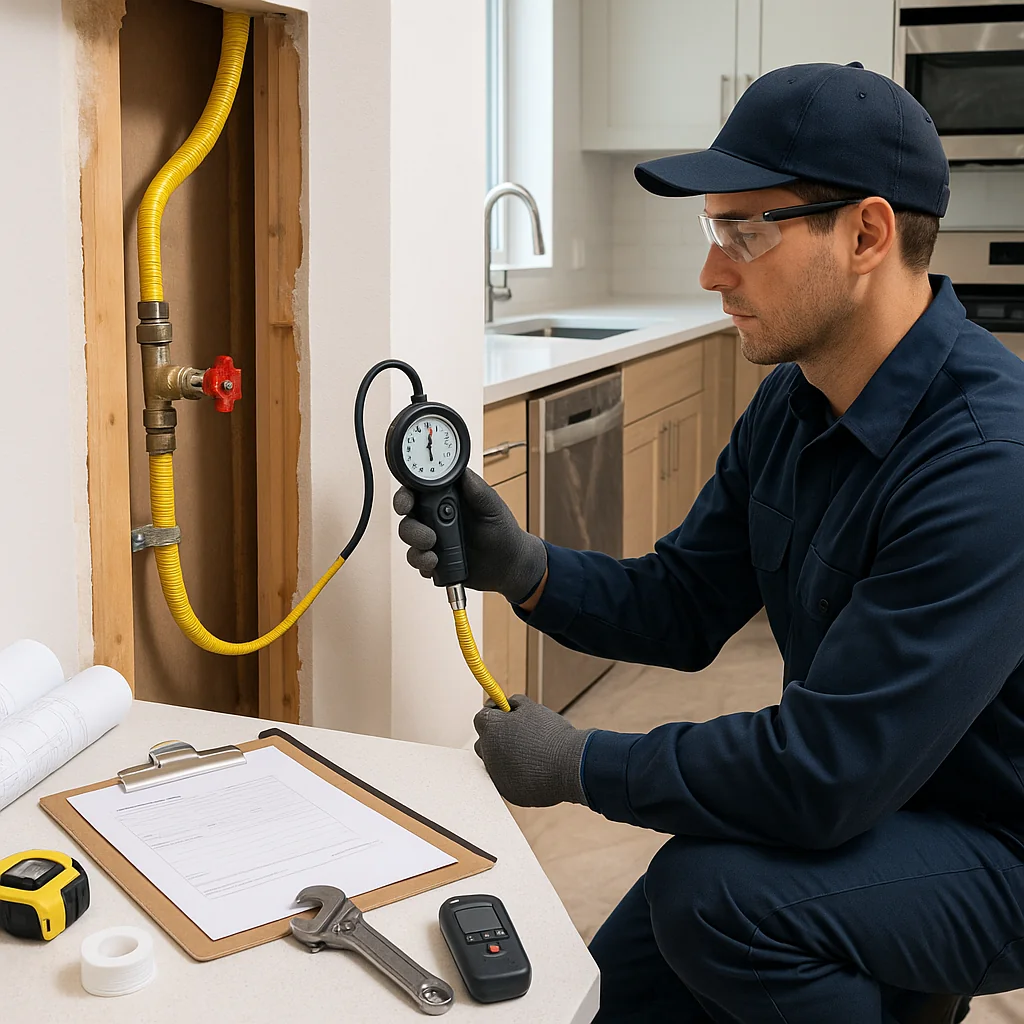
Why Kitchen Renovations Require Professional Gas Line Relocation
When homeowners in Newark embark on kitchen renovation projects, they often focus on aesthetics—new countertops, modern appliances, and updated cabinetry. However, one critical aspect that demands specialized attention is gas line relocation. Moving gas lines during a kitchen remodel is not a DIY project or a task for general contractors. It requires licensed professionals with specific expertise in gas systems, local building codes, and safety protocols. The consequences of improper gas line work can be catastrophic, ranging from gas leaks and fires to explosions and carbon monoxide poisoning. In Newark, where many homes feature aging gas infrastructure, the stakes are even higher.
Kitchen renovations frequently necessitate relocating gas lines when changing the layout, upgrading to new gas appliances, or repositioning existing ones like ranges, ovens, or cooktops. The complexity of this work extends far beyond simply moving a pipe from one location to another. It involves understanding gas pressure requirements, proper sizing of lines, correct fitting installation, thorough leak testing, and compliance with New Jersey state codes and Newark municipal regulations.
The Hidden Dangers of Unlicensed Gas Line Work
Gas line systems operate under pressure and carry a highly flammable substance into your home. When these systems are improperly modified, the results can be deadly. Natural gas is odorless in its pure form, though utility companies add mercaptan to give it that distinctive sulfur smell as a safety measure. Even with this warning system, small leaks can go undetected until they accumulate to dangerous levels.
Unlicensed individuals attempting gas line relocation lack the training to identify potential hazards. They may use incorrect pipe materials, improper fittings, or inadequate sealing methods. They might fail to account for thermal expansion, vibration from appliances, or structural movements that can stress gas connections over time. In neighborhoods like Eastside Newark, where historic homes are common, understanding how to integrate modern gas systems with older infrastructure requires specialized knowledge.
Common Mistakes Made by Unlicensed Workers
- Using incompatible materials: Mixing different pipe materials without proper transition fittings can cause corrosion and eventual failure
- Incorrect pipe sizing: Undersized lines restrict gas flow, causing appliances to underperform or malfunction
- Improper joint sealing: Using wrong sealants or techniques leads to immediate or delayed leaks
- Skipping pressure testing: Failing to test the system under pressure before energizing means leaks go undetected
- Ignoring clearance requirements: Placing gas lines too close to electrical systems, heat sources, or through prohibited areas
- Inadequate support and protection: Improperly secured lines can shift, bend, or become damaged
Legal and Insurance Implications
Beyond safety concerns, there are significant legal and financial reasons why professional gas line relocation and modification services are essential. In Newark and throughout New Jersey, gas line work must be performed by licensed professionals. This is not merely a suggestion—it is a legal requirement enforced by state and local authorities.
Homeowners who allow unlicensed individuals to perform gas line work face multiple risks. First, they may be subject to fines and penalties from code enforcement. Second, and perhaps more critically, their homeowner’s insurance may be voided. If a fire, explosion, or other incident occurs and investigators determine that unlicensed work was performed on gas lines, insurance companies can deny claims, leaving homeowners financially responsible for all damages.
Permit and Inspection Requirements
Professional gas line relocation involves obtaining proper permits from Newark’s building department. These permits ensure that work is documented, inspected, and verified to meet safety standards. The process typically includes:
- Initial permit application with detailed plans of the proposed work
- Rough inspection after installation but before concealment
- Pressure testing and leak detection verification
- Final inspection and approval before energizing the system
- Documentation for homeowner records and future reference
Licensed professionals understand this process and manage it efficiently. They know what inspectors look for and ensure work meets or exceeds requirements on the first inspection, avoiding costly delays in your renovation timeline.
The Professional Gas Line Relocation Process
Understanding what licensed professionals do during gas line relocation helps homeowners appreciate the complexity and value of expert service. The process is methodical, safety-focused, and thorough.
Initial Assessment and Planning
Licensed gas technicians begin by evaluating your current gas system and understanding your renovation plans. They assess the existing gas line capacity, measure distances to new appliance locations, calculate pressure requirements, and identify the most efficient and safe routing for relocated lines. This planning phase is crucial for avoiding complications during installation.
System Shutdown and Safety Protocols
Before any physical work begins, professionals shut down the gas supply and verify zero pressure in lines being modified. They use calibrated instruments to confirm the system is safe to work on and establish safety zones around the work area. This level of precaution is standard practice for licensed professionals but often overlooked by unlicensed workers.
Installation and Material Selection
Professional gas line installers use code-approved materials appropriate for your specific application. This might include black steel pipe, corrugated stainless steel tubing (CSST), or copper pipe, depending on local codes and application requirements. They use proper fittings, approved sealants, and correct installation techniques for each material type. In areas like Clinton Hill, where older homes may have unique structural considerations, professionals adapt their approach accordingly.
Testing and Verification
After installation, licensed professionals perform comprehensive pressure testing. They pressurize the system to levels exceeding normal operating pressure and monitor for any drop that would indicate a leak. They use electronic leak detectors and soap solutions to verify every joint and connection. Only after passing these rigorous tests do they request inspection approval.
Choosing the Right Gas Line Professional in Newark
Not all licensed gas professionals offer the same level of expertise or service. When selecting a contractor for your kitchen renovation gas line work, consider these important factors:
Licensing and Credentials
Verify that the professional holds current New Jersey licenses for gas fitting work. Master plumbers with gas endorsements are qualified, as are specialized gas fitters. Ask to see license numbers and verify them with the state licensing board. Legitimate professionals will readily provide this information.
Experience with Kitchen Renovations
Gas line work in kitchen renovations presents unique challenges. The professional you choose should have specific experience with kitchen projects, understanding how to coordinate with other trades, work within renovation timelines, and integrate gas systems with new kitchen layouts. Ask about similar projects they have completed in Newark neighborhoods.
Insurance and Bonding
Ensure the professional carries adequate liability insurance and worker’s compensation coverage. This protects you from financial responsibility if accidents occur during the work. Bonding provides additional consumer protection, guaranteeing that work will be completed as contracted.
Emergency Service Availability
Gas systems can develop problems at any time. Choose a professional who offers emergency services for issues that may arise after your renovation is complete. Having an established relationship with a gas line professional provides peace of mind and faster response if problems occur.
Integrating Gas Line Work with Your Renovation Timeline
Gas line relocation must be carefully coordinated with other aspects of your kitchen renovation. Proper timing ensures efficiency and prevents delays. Typically, gas line work occurs after demolition and rough framing but before drywall installation. This allows access for installation while providing time for inspection before closing walls.
Professional gas line contractors coordinate with your general contractor or other trades to ensure smooth workflow. They understand construction sequencing and can adapt to schedule changes that inevitably occur during renovations. This coordination is particularly important in Newark’s densely populated neighborhoods like Eastside Sandy Hill, where work may be affected by parking restrictions, noise ordinances, or access limitations.
Cost Considerations and Value
Homeowners sometimes consider cutting corners on gas line work to reduce renovation costs. This is false economy. The cost difference between licensed professional work and unlicensed alternatives is minimal compared to the risks involved. Professional gas line relocation typically costs between $500 and $2,500, depending on distance, complexity, and number of appliances served.
This investment provides multiple returns:
- Safety for your family and property
- Legal compliance and valid permits
- Maintained insurance coverage
- Properly functioning appliances with adequate gas supply
- Increased home value with documented professional work
- Peace of mind knowing the work was done correctly
Long-Term Savings
Professional gas line work lasts for decades when properly installed. You avoid the costs of repairs, remediation, or complete replacement that often result from improper installation. You also avoid potential medical costs, property damage, or legal expenses that can result from gas-related incidents.
Special Considerations for Newark Homes
Newark’s housing stock includes many older homes with aging gas infrastructure. These properties present unique challenges for gas line relocation during kitchen renovations. Older systems may use outdated materials, have corrosion issues, or lack adequate capacity for modern appliances.
Licensed professionals experienced in Newark homes understand these challenges. They can assess the entire gas system, not just the immediate renovation area, and identify potential problems before they become emergencies. They know which neighborhoods have specific infrastructure characteristics and how to work with them safely and effectively.
Upgrading Aging Systems
Kitchen renovations often provide an opportunity to upgrade aging gas systems throughout the home. While relocating lines for your new kitchen layout, professionals can recommend and implement improvements that enhance safety and performance for your entire gas system. This might include replacing old iron pipe, installing excess flow valves, or upgrading the main service line for better capacity.
Gas Appliance Compatibility and Performance
Modern gas appliances have specific requirements for proper operation. Professional cooktops, high-BTU ranges, and commercial-style equipment require adequate gas supply to function correctly. Licensed professionals calculate the BTU requirements for your new appliances and ensure gas lines are sized appropriately.
Undersized gas lines cause multiple problems. Appliances may not reach proper temperatures, burners may produce yellow flames instead of blue, and performance suffers significantly. When you invest thousands of dollars in premium kitchen appliances, ensuring they have proper gas appliance connections is essential for realizing their full potential.
Multiple Appliance Considerations
Many kitchen renovations involve multiple gas appliances—a range, wall oven, and possibly a gas dryer in an adjacent laundry area. Each appliance needs adequate supply, which requires careful calculation of total demand and proper manifold or distribution design. Licensed professionals ensure each appliance receives sufficient gas pressure for optimal performance, even when multiple units operate simultaneously.
Post-Installation Maintenance and Monitoring
After professional gas line relocation is complete, ongoing vigilance ensures continued safety. Licensed professionals provide guidance on monitoring your gas system and recognizing warning signs of potential problems. They can establish maintenance schedules for periodic inspections, particularly important in older homes or high-use kitchens.
Homeowners should remain alert for:
- Unusual odors suggesting gas presence
- Hissing sounds near gas lines or appliances
- Dead vegetation near exterior gas lines
- Unusually high gas bills indicating leaks
- Pilot lights that frequently extinguish
- Yellow or orange flames instead of blue
- Soot buildup around appliances
If you notice any of these signs, immediately contact a licensed professional. Quick response prevents minor issues from becoming major problems.
The Role of Technology in Modern Gas Line Work
Licensed gas professionals use advanced technology for safer, more accurate installations. Electronic leak detectors identify even minute gas escapes that human senses cannot detect. Digital pressure gauges provide precise measurements during testing. Pipe threading machines ensure perfect threads for secure connections. Camera inspection equipment allows verification of line conditions without destructive investigation.
These technologies represent significant investments that only professional operations can justify. They also require training and expertise to use effectively. This technological advantage is another reason why professional gas line work delivers superior results compared to unlicensed alternatives.
Leave a Reply