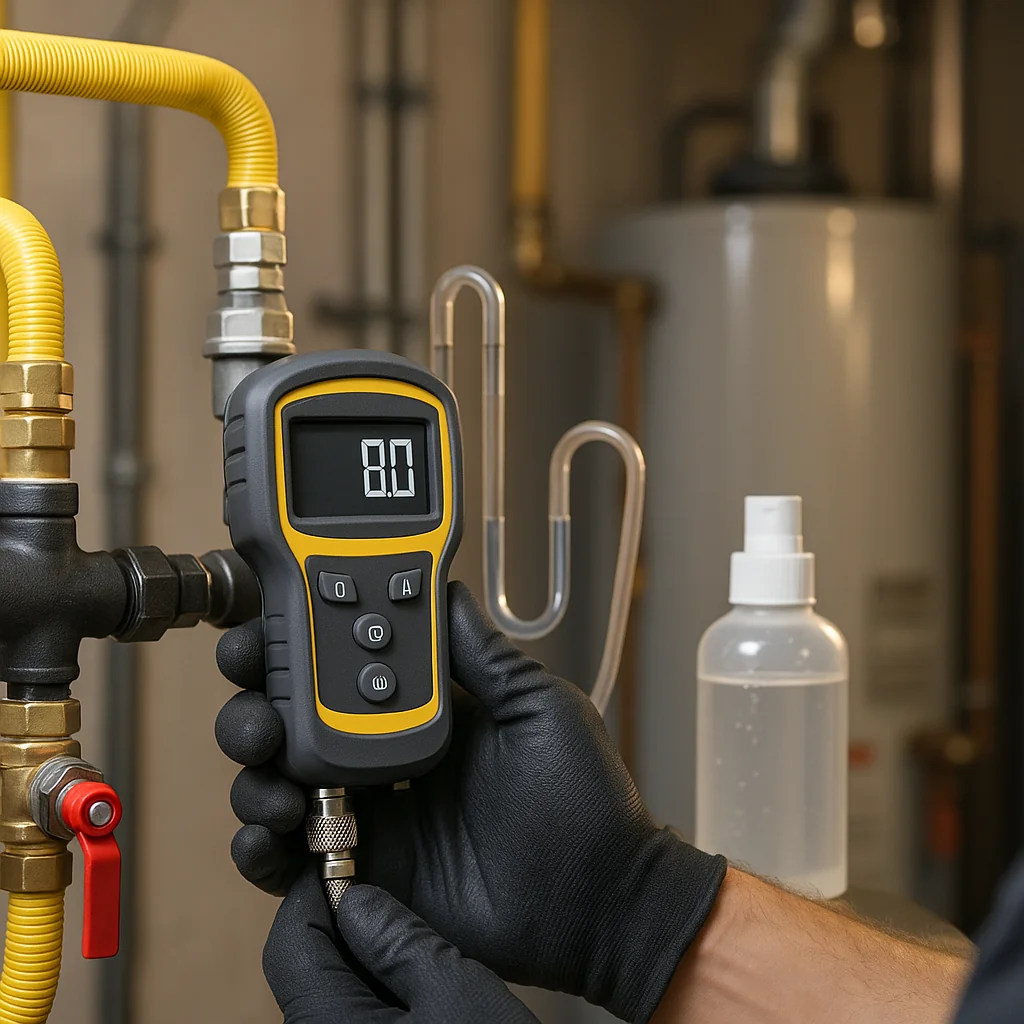
Understanding Gas Line Pressure Testing in Newark
Gas line pressure testing is the definitive method professionals use to verify that your gas system is completely leak-free and safe for operation. In Newark, where aging infrastructure and diverse building types create unique challenges, this critical safety procedure involves pressurizing your gas lines with air or inert gas to detect even the smallest leaks before they become hazardous. Whether you’re dealing with a new installation, recent repairs, or routine safety inspections, pressure testing provides the concrete evidence needed to ensure your home or business is protected from dangerous gas leaks.
What Is Gas Line Pressure Testing?
Gas line pressure testing is a diagnostic procedure that involves sealing off sections of your gas piping system and introducing pressurized air or nitrogen to levels that exceed normal operating pressures. This controlled process allows technicians to monitor pressure gauges over a specified period, typically ranging from 15 minutes to several hours, depending on the system size and local code requirements.
The fundamental principle is simple: if the pressure remains constant throughout the test period, the system is sealed and leak-free. Any drop in pressure indicates a leak somewhere in the system that must be located and repaired before the gas service can be safely restored.
Why Pressure Testing Is Essential
Natural gas and propane are odorless in their natural state, with mercaptan added as a safety measure to create that distinctive smell. However, small leaks may not produce enough odor to detect, especially in well-ventilated areas or outdoors. Pressure testing eliminates guesswork and provides quantifiable proof that your system meets safety standards.
This testing is particularly crucial after any work involving gas appliance connections or repairs, during new construction, or when relocating or modifying existing gas lines. Newark’s building codes strictly enforce these testing requirements to protect residents and property.
Types of Pressure Tests Used by Professionals
Professional gas technicians employ several testing methods, each suited to different situations and system configurations. Understanding these methods helps homeowners and business owners appreciate the thoroughness of professional gas line services.
Air Pressure Testing
The most common method involves using compressed air to pressurize the system. Technicians seal all outlets and introduce air pressure typically between 10 to 60 psi, depending on the system specifications and local codes. Digital or analog gauges monitor pressure levels with extreme precision, capable of detecting drops as small as 0.5 psi over the test duration.
Air testing is cost-effective, readily available, and provides immediate results. However, it requires careful attention to temperature fluctuations, as ambient temperature changes can affect pressure readings and potentially create false positives or mask actual leaks.
Nitrogen Pressure Testing
For more sensitive applications or when testing high-pressure systems, professionals often use nitrogen gas instead of air. Nitrogen is inert, non-combustible, and not affected by moisture, making it ideal for precise testing scenarios. This method is particularly valuable when testing lines that will carry propane or natural gas at higher pressures.
Nitrogen testing typically involves pressures ranging from 50 to 150 psi and can reveal even microscopic leaks that might escape detection through other methods. The inert nature of nitrogen also eliminates any risk of combustion during the testing process.
Low-Pressure Testing
Some situations call for low-pressure testing, particularly for older systems or when testing appliance connections. This method uses pressures between 3 to 15 psi and is gentler on aging pipes and fittings. Low-pressure tests are commonly performed on the final sections of gas distribution systems closest to appliances.
The Professional Pressure Testing Process
When you call NE Gas Line Emergency Services for pressure testing in Newark, our certified technicians follow a systematic protocol that ensures accurate results and maintains safety throughout the procedure.
Initial System Assessment
Before any testing begins, technicians conduct a thorough visual inspection of the entire gas line system. This includes checking all visible pipes, connections, valves, and appliance hookups. We document the system layout, identify all test points, and verify that all safety protocols are in place.
During this assessment, we also determine the appropriate test pressure based on the system design, pipe materials, and applicable codes. Newark’s diverse housing stock, from historic homes in Weequahic to modern developments in Eastside, requires tailored testing approaches.
System Preparation and Isolation
Next, technicians isolate the section to be tested by closing appropriate valves and capping all outlets. Every gas appliance connection point is sealed, and all pilot lights are extinguished. This isolation ensures that the test pressure affects only the piping system being evaluated.
For comprehensive testing, we may test the entire system from the meter to all endpoints, or we might isolate specific sections to pinpoint problem areas. The preparation phase is critical—any unsealed outlet will cause pressure loss and invalidate the test results.
Pressurization and Monitoring
Once the system is properly sealed, technicians introduce the test medium (air or nitrogen) gradually to avoid shocking the pipes. Pressure is increased incrementally while monitoring for any immediate failures or obvious leaks. Once target pressure is reached, the pressurization source is disconnected and isolated.
The monitoring period begins immediately. Technicians record the initial pressure reading and timestamp, then monitor the gauge at regular intervals. Modern digital gauges provide continuous monitoring with data logging capabilities, creating a permanent record of the test results.
Leak Detection and Location
If pressure remains stable throughout the test period, the system passes and is certified leak-free. However, if pressure drops, technicians must locate the source of the leak. This involves systematic isolation of different sections, visual inspection of all connections, and sometimes the application of leak detection solution—a soapy liquid that bubbles when applied over a leak point.
Advanced leak detection may employ electronic sensing equipment that can detect gas molecules or pressure differentials. These sophisticated tools can pinpoint leaks hidden behind walls or underground without destructive investigation.
Pressure Testing Standards and Requirements
Gas line pressure testing isn’t arbitrary—it follows strict standards established by national codes and local regulations. In Newark, these requirements ensure consistent safety across all installations and repairs.
Code Compliance
The National Fuel Gas Code (NFPA 54) and the International Fuel Gas Code (IFGC) establish baseline requirements for pressure testing. These codes specify minimum test pressures, test durations, and acceptable pressure loss parameters. Local Newark building codes may impose additional requirements or modifications based on regional considerations.
Typically, residential gas systems must be tested at a minimum of 1.5 times the proposed maximum working pressure, but not less than 3 psi, for a minimum of 10 minutes without any pressure loss. Commercial and high-pressure systems face more stringent requirements.
Documentation Requirements
Professional pressure testing generates formal documentation that becomes part of the permanent building record. This documentation includes the test date, technician credentials, test pressure used, duration, initial and final pressure readings, ambient temperature, and certification of results.
This documentation is essential for insurance purposes, building inspections, and future reference. When you need emergency gas line leak repair, having current pressure test documentation helps technicians quickly assess the system history and identify potential problem areas.
When Pressure Testing Is Required
Understanding when pressure testing becomes necessary helps property owners plan for this important safety procedure and budget accordingly.
New Installations
Any new gas line installation must undergo pressure testing before being placed into service. This includes new construction, additions to existing buildings, or installation of new gas appliances requiring dedicated lines. The testing verifies that installation was performed correctly and that all connections are secure.
After Repairs or Modifications
Whenever gas lines are opened for repair, replacement, or modification, pressure testing is mandatory before restoring gas service. This ensures that the work was completed properly and that no new leaks were introduced during the repair process. Even seemingly minor work like replacing a valve or extending a line requires post-work testing.
Routine Safety Inspections
While not always legally required, periodic pressure testing provides valuable peace of mind and can identify developing problems before they become emergencies. Properties with older gas systems, those in areas with soil movement, or buildings that have experienced settling may benefit from regular testing every few years.
Real Estate Transactions
Many real estate transactions in Newark now include gas line pressure testing as part of the home inspection process. Buyers want assurance that the gas system is safe, and sellers benefit from addressing any issues before listing. A recent successful pressure test can be a valuable selling point and may prevent deal complications during closing.
What Happens If Your System Fails Pressure Testing
A failed pressure test isn’t cause for panic, but it does require prompt attention. The failure simply means that somewhere in the system, gas could escape, creating a safety hazard that must be addressed.
Immediate Actions
When a system fails testing, gas service remains shut off until repairs are completed and the system passes a subsequent test. Technicians will work to locate the leak source using the methods described earlier. Sometimes the leak is obvious—a loose fitting or damaged pipe section—while other times it requires extensive investigation.
Common Failure Points
Experience shows that certain areas are more prone to leaks than others. Threaded connections, especially those in older systems, may develop leaks due to corrosion or improper initial installation. Flexible connectors to appliances can deteriorate over time. Underground sections may be compromised by soil movement, tree roots, or corrosion.
In Newark’s older neighborhoods, cast iron and steel pipes installed decades ago may have developed pinhole leaks or joint failures. Modern repairs typically involve replacing problematic sections with corrosion-resistant materials that will provide decades of reliable service.
Repair and Retesting
Once leaks are identified and repaired, the system must be pressure tested again to verify that the repairs were successful and no additional leaks exist. This retest follows the same protocols as the initial test, ensuring that the entire system now meets safety standards.
The Professional Advantage: Why DIY Testing Falls Short
While homeowners can purchase pressure testing equipment, professional testing offers critical advantages that make it the only truly reliable option for gas line safety verification.
Specialized Equipment and Expertise
Professional technicians use calibrated, certified testing equipment that provides accurate, legally defensible results. Our gauges are regularly inspected and certified to ensure precision. We also carry specialized leak detection equipment that goes far beyond what’s available to homeowners.
More importantly, our technicians bring years of experience interpreting test results, understanding how temperature and other factors affect readings, and knowing where to look for problems based on system design and age.
Code Knowledge and Compliance
Gas codes are complex and constantly evolving. Professional technicians maintain current knowledge of all applicable codes and ensure that testing procedures meet or exceed all requirements. This compliance protects you legally and ensures that your insurance coverage remains valid.
Safety Considerations
Working with pressurized gas systems involves inherent risks. Improper testing procedures can damage pipes, create new leaks, or in extreme cases, cause pipe failures. Professional technicians understand system limitations and use appropriate pressures and methods for each specific situation.
Newark-Specific Considerations for Gas Line Testing
Newark’s unique characteristics create specific considerations for gas line pressure testing that local professionals understand and account for in their work.
Aging Infrastructure
Many Newark properties feature gas systems installed decades ago. These older systems may contain materials no longer considered ideal, such as galvanized steel pipes that can corrode internally. Pressure testing these systems requires careful consideration of pipe condition and appropriate test pressures that verify integrity without stressing compromised materials.
Climate and Seasonal Factors
Newark’s temperature variations affect pressure testing, particularly during extreme weather. Cold winter temperatures can cause pressure readings to drop naturally as the gas in the system contracts, while summer heat can increase pressure. Professional technicians account for these variables when interpreting test results.
Diverse Building Types
From single-family homes to multi-unit buildings and commercial properties, Newark’s diverse building stock requires varied testing approaches. Multi-unit buildings often have complex gas distribution systems with multiple branches and numerous appliances, requiring systematic testing of different zones to ensure comprehensive coverage.
Maintaining Your Gas System Between Tests
While professional pressure testing provides definitive verification of system integrity, property owners can take steps between tests to maintain safety and identify potential problems early.
Regular Visual Inspections
Periodically inspect visible gas lines for signs of corrosion, damage, or loose connections. Look for rust, discoloration, or physical damage to pipes. Check that appliance connections remain secure and that flexible connectors show no signs of cracking or deterioration.
Odor Awareness
Familiarize yourself and all building occupants with the distinctive smell of natural gas (often described as similar to rotten eggs). If you detect this odor, evacuate immediately and call for emergency service. Never ignore gas odors, even if they seem faint or intermittent.
Professional Maintenance
Schedule regular professional inspections of your gas system, even when no problems are apparent. Annual or biennial inspections can identify developing issues before they become emergencies, potentially saving significant repair costs and ensuring continuous safety.
Choosing a Qualified Pressure Testing Professional
The quality of pressure testing depends entirely on the expertise and integrity of the technician performing the work. When selecting a gas line professional in Newark, consider several important factors.
Licensing and Certification
Verify that any technician working on your gas system holds appropriate state and local licenses. Gas line work requires specialized training and certification. Licensed professionals carry insurance that protects you in the unlikely event of problems resulting from their work.
Experience and Reputation
Look for companies with established reputations in Newark and surrounding areas. Experience with local building types and gas systems provides valuable insight that newer companies may lack. Customer reviews and referrals from neighbors or local contractors can guide your selection.
Emergency Availability
Gas emergencies don’t follow business hours. Choose a company that offers true 24/7 emergency response. NE Gas Line Emergency Services maintains round-the-clock availability because we understand that gas safety issues require immediate professional attention regardless of when they occur.
Comprehensive Services
The best gas line professionals offer complete services from testing and inspection through repair and installation. This comprehensive capability means you develop a relationship with a single trusted provider who becomes familiar with your specific system and can provide consistent, informed service over time.
Leave a Reply