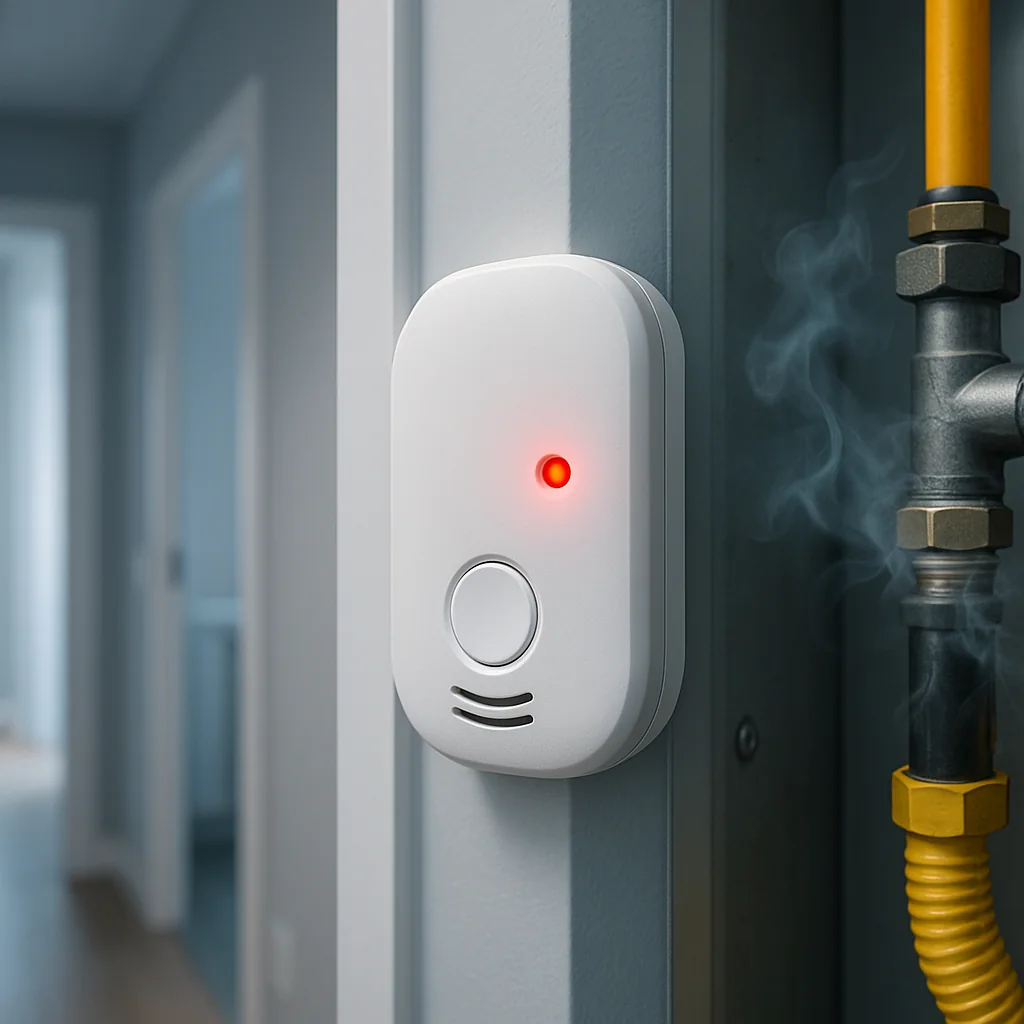
Understanding the Connection Between Carbon Monoxide Detectors and Gas Line Leaks
When your carbon monoxide detector starts sounding its alarm in your Newark home, your first instinct might be to check your furnace or water heater. However, many homeowners don’t realize that gas line leaks can be a hidden and dangerous source of carbon monoxide production. Gas leaks don’t just pose explosion risks—they can create incomplete combustion conditions that generate deadly carbon monoxide gas, putting your family’s safety at serious risk.
In Newark’s diverse neighborhoods, from historic brownstones to modern apartment complexes, aging gas infrastructure and improper installations can lead to gas line issues that manifest as carbon monoxide problems. Understanding this connection is critical for protecting your household and knowing when to seek professional emergency gas line leak repair services.
What Is Carbon Monoxide and Why Is It So Dangerous?
Carbon monoxide (CO) is an odorless, colorless, and tasteless gas that’s often called the \”silent killer.\” It’s produced when fuels like natural gas, propane, oil, wood, or coal burn incompletely due to insufficient oxygen. When you breathe in carbon monoxide, it replaces oxygen in your bloodstream, depriving vital organs of the oxygen they need to function properly.
The symptoms of carbon monoxide poisoning can be subtle at first, often mistaken for flu-like symptoms: headaches, dizziness, weakness, nausea, vomiting, chest pain, and confusion. At higher concentrations or with prolonged exposure, carbon monoxide can cause loss of consciousness and death. According to the Centers for Disease Control and Prevention, more than 400 Americans die from unintentional carbon monoxide poisoning each year, with thousands more requiring emergency medical treatment.
How Gas Line Leaks Create Carbon Monoxide
The relationship between gas line leaks and carbon monoxide production isn’t always straightforward, which is why this connection often goes unrecognized. Here’s how gas line problems can lead to dangerous CO levels:
- Reduced Gas Pressure: When a gas line develops a leak, it can reduce the pressure of gas reaching your appliances. This lower pressure can cause incomplete combustion, where the gas doesn’t burn completely, producing carbon monoxide instead of just carbon dioxide and water vapor.
- Improper Air-to-Fuel Ratios: Gas appliances are calibrated to mix specific amounts of gas with air for complete combustion. A leak can disrupt this balance, creating conditions where insufficient oxygen is available for complete burning.
- Appliance Malfunction: Gas leaks near appliances can cause them to operate inefficiently or malfunction, leading to incomplete combustion and CO production.
- Venting Issues: Leaking gas can interfere with proper venting systems, trapping combustion byproducts including carbon monoxide inside your home.
Common Signs Your CO Detector Is Responding to a Gas Line Issue
Not every carbon monoxide alarm indicates a gas line leak, but certain patterns and accompanying signs can help you identify when gas lines might be the culprit. Pay attention to these warning signals:
Persistent or Recurring Alarms
If your carbon monoxide detector goes off repeatedly, especially after you’ve ventilated your home and the alarm stops temporarily, this could indicate an ongoing gas line problem. Unlike one-time events such as a blocked chimney, gas line leaks create persistent conditions that continue generating carbon monoxide.
Multiple Detectors Alarming Simultaneously
When several CO detectors throughout your Newark home alarm at the same time, this suggests a widespread problem rather than a localized issue with a single appliance. Gas line leaks, particularly in main supply lines, can affect multiple appliances and areas of your home simultaneously.
Physical Symptoms Among Household Members
If family members are experiencing headaches, nausea, or dizziness that improve when they leave the house, take this seriously. These symptoms combined with a CO detector alarm strongly suggest dangerous carbon monoxide levels that may be related to gas line problems.
Accompanying Gas Odor
Natural gas has a distinctive sulfur or \”rotten egg\” smell added for safety. If you smell gas along with your CO detector alarming, you likely have a gas line leak. This requires immediate evacuation and professional emergency response.
Newark-Specific Gas Line Concerns
Newark’s housing stock presents unique challenges when it comes to gas line integrity and carbon monoxide safety. Many neighborhoods feature older homes with aging gas infrastructure that may not meet current safety standards.
In areas like Weequahic, where beautiful historic homes are common, original gas lines may be decades old and constructed from materials that deteriorate over time. Cast iron and steel pipes can corrode, while joints and connections can loosen, creating leak points that compromise both gas delivery and combustion efficiency.
Similarly, in neighborhoods such as Eastside (Sandy Hill), a mix of older and renovated properties means gas lines may have been modified multiple times over the years. Improper modifications or repairs can create weak points in the system that eventually develop into leaks.
Newark’s urban density also means that gas line problems in multi-unit buildings can affect multiple families. Carbon monoxide can migrate between units through shared walls, ventilation systems, and utility chases, making it critical for property owners to maintain gas line systems proactively.
What to Do When Your Carbon Monoxide Detector Goes Off
Your response to a carbon monoxide alarm can literally save lives. Follow these critical steps immediately:
Immediate Actions
- Evacuate Immediately: Don’t wait to investigate. Get everyone out of the building, including pets, and move to fresh air outside.
- Call 911: Report the carbon monoxide alarm to emergency services. They have equipment to measure CO levels and determine if it’s safe to re-enter.
- Don’t Re-Enter: Wait for emergency responders to clear your home as safe before going back inside.
- Seek Medical Attention: If anyone is experiencing symptoms of CO poisoning, get medical help immediately, even if symptoms seem mild.
- Don’t Operate Appliances or Switches: Avoid turning things on or off, as this could potentially ignite leaked gas.
After the Immediate Emergency
Once emergency responders have determined your home is safe to re-enter, or if they’ve detected elevated CO levels, you need to identify and fix the source. This is when professional gas appliance gas line repair becomes essential.
A qualified gas line technician will conduct a comprehensive inspection of your entire gas system, including:
- Supply lines from the meter to all appliances
- Connections and joints throughout the system
- Individual appliance gas lines and connections
- Pressure testing to identify leaks
- Appliance combustion efficiency testing
- Venting system inspection
Preventing Gas Line-Related Carbon Monoxide Problems
Prevention is always better than emergency response when it comes to gas line safety and carbon monoxide protection. Here are essential preventive measures for Newark homeowners:
Regular Professional Inspections
Schedule annual inspections of your gas line system by qualified professionals. These inspections can identify potential problems before they become dangerous, including corroded pipes, loose connections, and improper installations.
Carbon Monoxide Detector Maintenance
Install CO detectors on every level of your home and outside sleeping areas. Test them monthly, replace batteries twice yearly (a good rule is when you change your clocks for daylight saving time), and replace the entire unit according to manufacturer recommendations, typically every 5-7 years.
Appliance Maintenance
Have gas appliances serviced annually by qualified technicians. Regular maintenance ensures they’re burning fuel efficiently and completely, minimizing carbon monoxide production.
Proper Ventilation
Ensure all fuel-burning appliances are properly vented to the outside. Never use gas ovens or ranges for heating, and don’t operate gas-powered equipment like generators indoors or in attached garages.
Address Gas Line Modifications Professionally
If you’re renovating or adding gas appliances, work only with licensed professionals for gas line relocation and modification. Improper DIY work or unlicensed contractors can create dangerous conditions.
Understanding the Different Types of Gas Line Leaks
Not all gas line leaks are created equal, and understanding the different types can help you recognize potential problems:
Slow Leaks
These are small, gradual leaks that may not produce a noticeable gas odor but can create chronic carbon monoxide problems by affecting appliance combustion efficiency over time. They’re particularly insidious because they often go undetected until a CO detector alarms or someone experiences symptoms.
Connection Leaks
Leaks at connection points—where pipes join together or connect to appliances—are common in older systems. Temperature changes cause materials to expand and contract, potentially loosening connections over time.
Corrosion Leaks
In Newark’s climate, with its humidity and temperature variations, metal gas pipes can corrode from both inside and outside. Corrosion creates weak spots that eventually develop into leaks.
Damage-Related Leaks
Construction work, renovations, or even settling foundations can damage gas lines, creating immediate or delayed leak problems.
The Role of Professional Gas Line Services
When dealing with potential gas line leaks, especially those causing carbon monoxide problems, professional expertise is non-negotiable. Licensed gas line technicians have specialized training, equipment, and experience to:
- Accurately detect and locate gas leaks using electronic sensors and pressure testing
- Assess the overall condition of your gas line system
- Determine whether repairs or replacement is the safer, more cost-effective option
- Perform repairs that meet all local codes and safety standards
- Test systems after repairs to ensure complete resolution
- Provide documentation for insurance purposes and future reference
For Newark residents, having a trusted local gas line service provider means faster emergency response times and familiarity with the specific challenges of the area’s housing stock and infrastructure.
When to Call for Emergency Gas Line Services
Some situations require immediate professional attention. Contact emergency gas line services right away if you experience:
- Carbon monoxide detector alarming with or without gas odor
- Strong or persistent natural gas smell
- Hissing or whistling sounds near gas lines or appliances
- Dead or discolored vegetation near underground gas lines
- Visible damage to gas pipes or connections
- Gas odor that returns after your gas company has investigated
- Symptoms of carbon monoxide poisoning in household members
Don’t hesitate to seek help. Gas line problems and carbon monoxide issues are genuine emergencies that require professional intervention to resolve safely.
Understanding Your Gas System’s Vulnerabilities
Knowledge of your home’s gas system helps you identify potential problem areas and maintain safety:
Age of Your System
Gas lines installed more than 30-40 years ago are more likely to develop problems. If you’re unsure of your system’s age, a professional inspection can provide this information along with an assessment of its current condition.
Material Considerations
Older systems may use materials that are now known to be less reliable or safe. Black iron pipe, while still used, can corrode over time. Some older homes may even have remnants of lead pipe connections that should be replaced.
Previous Modifications
If your home has been renovated or had appliances added or removed, the gas line system may have been modified. Improper modifications are a common source of leaks and safety problems.
Environmental Factors
Newark’s soil conditions, groundwater levels, and freeze-thaw cycles can all affect underground gas lines. Tree roots can also damage buried pipes, creating leak points.
The Importance of Acting on Warning Signs
The connection between carbon monoxide detectors and gas line leaks underscores why you should never ignore warning signs. Carbon monoxide poisoning can happen quickly, and the effects can be permanent or fatal. Gas line leaks also carry explosion and fire risks that threaten your entire property and neighboring homes.
When your carbon monoxide detector alarms, it’s providing an early warning that something is seriously wrong. Whether the source is a gas line leak, a malfunctioning appliance, or another combustion problem, immediate action and professional assessment are essential for protecting your family’s safety.
For Newark homeowners, understanding the relationship between gas lines and carbon monoxide is an important part of home safety. Regular maintenance, prompt attention to warning signs, and working with qualified professionals for all gas line work creates multiple layers of protection against these invisible threats.
Leave a Reply