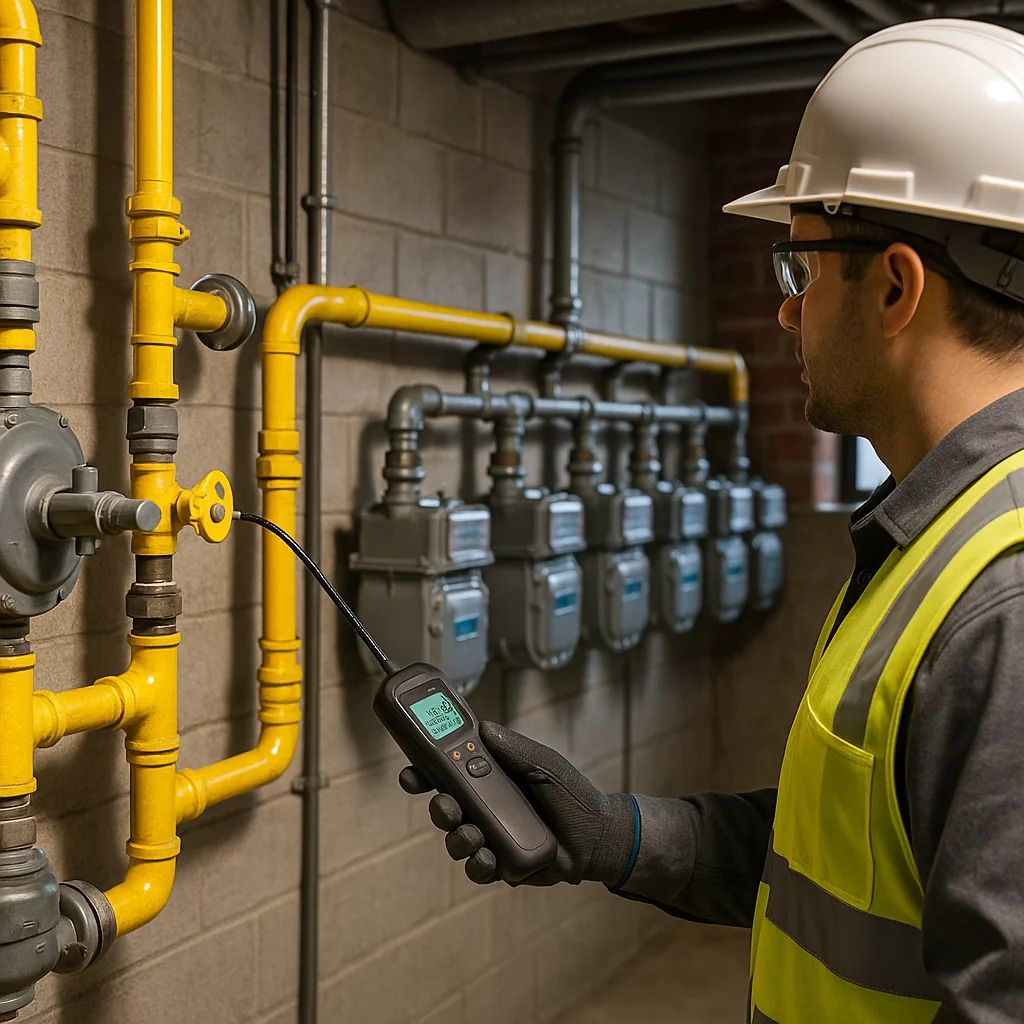
Understanding Landlord Responsibilities for Gas Line Safety
Gas line leaks in multi-family buildings represent one of the most serious safety hazards property owners can face. In Newark, landlords bear significant legal and ethical responsibilities to ensure gas systems remain safe and functional for all tenants. When a gas leak occurs, the consequences can range from health complications to catastrophic explosions, making proactive maintenance and rapid response essential components of responsible property management.
Newark’s multi-family housing stock includes numerous older buildings where aging infrastructure increases the risk of gas line failures. Property owners must understand that their duty of care extends beyond simply responding to tenant complaints—it encompasses regular inspections, preventive maintenance, and immediate action when problems arise. The legal framework governing these responsibilities is clear: landlords are accountable for maintaining safe, habitable conditions throughout their properties.
Legal Framework Governing Gas Line Safety in Newark
New Jersey law establishes comprehensive requirements for landlords regarding gas system maintenance and safety. The state’s Warranty of Habitability statute mandates that rental properties must be fit for human habitation, which explicitly includes properly functioning and safe gas systems. Newark’s local building codes further specify inspection intervals, maintenance standards, and emergency response protocols that property owners must follow.
Under these regulations, landlords cannot delegate their fundamental responsibility for gas line safety to tenants. While tenants have obligations to report problems and avoid damaging gas appliances, the burden of ensuring system integrity rests squarely with property owners. This means landlords must arrange for qualified professionals to perform regular inspections and address any deficiencies discovered during those assessments.
Specific Landlord Obligations
Newark landlords managing multi-family buildings have several non-negotiable responsibilities regarding gas systems:
- Annual Inspections: Gas lines and connections must be inspected by licensed professionals at least annually to identify potential issues before they become dangerous.
- Immediate Response: When tenants report suspected gas leaks, landlords must respond immediately—not within 24 hours or by the next business day, but immediately.
- Professional Repairs: All gas line work must be performed by licensed, insured contractors who understand local codes and safety standards.
- Documentation: Maintaining detailed records of all inspections, maintenance, and repairs protects both tenants and property owners.
- Tenant Education: Landlords should provide clear information about recognizing gas leak signs and emergency procedures.
Common Gas Line Issues in Newark Multi-Family Properties
Newark’s diverse housing stock presents unique challenges for gas system maintenance. Many multi-family buildings in neighborhoods like Eastside date back decades, with original gas infrastructure that may not meet current safety standards. Understanding the most common issues helps landlords implement effective preventive strategies.
Aging Infrastructure
Older buildings often contain galvanized steel pipes that corrode over time, creating weak points where leaks can develop. In multi-family settings, these aging systems serve multiple units, meaning a single failure point can endanger numerous residents. The corrosion process accelerates in humid environments or where moisture accumulates, making basements and crawl spaces particularly vulnerable areas.
Improper Modifications
Over the years, well-intentioned but unqualified individuals may have made modifications to gas systems without proper permits or expertise. These amateur alterations frequently violate code requirements and create serious safety hazards. When purchasing or inheriting management of a multi-family property, landlords should immediately arrange comprehensive inspections to identify any non-compliant work requiring gas line code compliance repair.
Appliance Connection Problems
Multi-family buildings typically have numerous gas appliances—water heaters, furnaces, stoves, and dryers—each with its own connection point. These connections can loosen over time due to vibration, thermal expansion and contraction, or simple wear. Regular gas appliance gas line repair and inspection ensures these connection points remain secure and leak-free.
External Damage
Construction work, landscaping projects, or even severe weather can damage underground gas lines serving multi-family buildings. In densely populated areas, excavation near one property can inadvertently compromise gas lines serving adjacent buildings. Landlords must ensure contractors working on their properties understand gas line locations and take appropriate precautions.
Recognizing the Warning Signs of Gas Leaks
Early detection of gas leaks can prevent tragedies. Landlords should educate themselves and their tenants about the telltale signs that indicate a potential gas leak:
- Distinctive Odor: Natural gas is odorless, but utility companies add mercaptan, which smells like rotten eggs or sulfur, to make leaks detectable.
- Hissing Sounds: A hissing or whistling noise near gas lines or appliances suggests gas escaping under pressure.
- Dead Vegetation: Plants dying in a localized area outside the building may indicate an underground gas leak.
- Physical Symptoms: Residents experiencing headaches, dizziness, nausea, or fatigue may be suffering from gas exposure.
- Higher Gas Bills: Unexplained increases in gas consumption can indicate leaks within the system.
- White Cloud or Dust: Gas escaping from underground lines can create a white cloud or dust cloud near the ground.
Emergency Response Protocols for Landlords
When a gas leak is suspected or confirmed in a multi-family building, landlords must follow strict emergency protocols to protect tenant safety and minimize liability exposure. These procedures should be documented and communicated to all building staff and tenants.
Immediate Actions
Upon receiving notification of a suspected gas leak, landlords or their representatives must take the following steps without delay:
- Evacuate the Building: Ensure all residents leave the premises immediately and move to a safe distance upwind from the building.
- Avoid Ignition Sources: Do not operate light switches, phones, or any electrical devices that could create a spark.
- Call Emergency Services: Contact 911 and the gas utility company immediately from a safe location away from the building.
- Contact Professional Help: Reach out to qualified gas line specialists who can respond quickly to assess and address the situation.
- Do Not Re-Enter: Keep everyone away from the building until emergency responders and gas professionals declare it safe.
Post-Emergency Responsibilities
After emergency responders have secured the scene, landlords face additional obligations. They must arrange for comprehensive inspections to identify the leak source and any related damage. All necessary repairs must be completed by licensed professionals before allowing tenants to return. Documentation of the incident, response actions, and remediation work is essential for both safety records and potential liability protection.
Preventive Maintenance Strategies
The most effective approach to gas line safety in multi-family buildings is preventing problems before they occur. Landlords who implement robust preventive maintenance programs protect their tenants, preserve their properties, and often reduce long-term costs associated with emergency repairs.
Regular Professional Inspections
Annual inspections by qualified technicians should examine every component of the gas system, from the main service line through individual appliance connections. These inspections identify early warning signs like minor corrosion, loose fittings, or aging components that may fail in the near future. In areas like Vailsburg, where many buildings date back several decades, these proactive inspections are particularly crucial.
System Upgrades and Modernization
Older gas systems may benefit from strategic upgrades that improve safety and reliability. Replacing galvanized steel pipes with modern materials, installing automatic shutoff valves, or upgrading to more efficient appliances can significantly reduce leak risks. When building renovations require gas line relocation and modification, landlords have excellent opportunities to modernize outdated infrastructure.
Tenant Communication and Education
Well-informed tenants become partners in gas safety. Landlords should provide written information about recognizing gas leak symptoms, emergency procedures, and reporting protocols. Regular reminders, particularly before heating season when gas usage increases, help keep safety top-of-mind for residents.
Liability Considerations for Newark Landlords
The legal consequences of gas line failures in multi-family buildings can be severe. Landlords may face criminal charges if negligence leads to injuries or deaths. Civil liability for property damage, medical expenses, and wrongful death claims can reach catastrophic levels. Insurance coverage provides some protection, but policies typically exclude damages resulting from known hazards that landlords failed to address.
Insurance Requirements
Property insurance policies for multi-family buildings should include adequate coverage for gas-related incidents. Landlords should review their policies annually with insurance professionals who understand the specific risks associated with gas systems in older urban buildings. Some insurers offer premium reductions for properties with documented preventive maintenance programs and modern safety features.
Documentation as Protection
Comprehensive records of inspections, maintenance, and repairs provide crucial evidence that landlords fulfilled their duty of care. These documents should include dates, technician credentials, specific work performed, and any recommendations made. When tenants report concerns, landlords should document the complaint, their response, and the resolution in writing.
Working with Qualified Gas Line Professionals
The complexity and danger associated with gas systems mean landlords must partner with properly licensed and insured contractors. In Newark, numerous factors should influence the selection of gas line service providers.
Credentials and Licensing
New Jersey requires specific licensing for gas line work. Landlords should verify that contractors hold current licenses, maintain adequate insurance, and have experience with multi-family buildings. References from other property owners provide valuable insights into contractors’ reliability and quality of work.
Emergency Availability
Gas leaks don’t respect business hours. Landlords need relationships with service providers who offer true 24/7 emergency response. When evaluating potential contractors, ask about their typical emergency response times and after-hours availability.
Comprehensive Service Capabilities
The ideal gas line contractor offers a full range of services, from routine inspections and preventive maintenance to emergency repairs and system upgrades. Establishing a relationship with a single trusted provider who understands your properties simplifies management and ensures continuity of care for your gas systems.
Newark-Specific Considerations
Newark’s unique characteristics create specific challenges and considerations for landlords managing multi-family properties with gas systems. The city’s dense urban environment, aging infrastructure, and diverse building stock all influence gas line safety strategies.
Building Age and Construction
Many of Newark’s multi-family buildings were constructed during periods when building codes and materials standards differed significantly from today’s requirements. Landlords must recognize that older buildings may have gas systems designed for different usage patterns and appliance types than current residents employ.
Regulatory Environment
Newark’s building department actively enforces gas safety codes. Landlords should maintain positive relationships with local inspectors and stay informed about any changes to local regulations. Proactive compliance is far less expensive and disruptive than addressing violations under enforcement pressure.
Utility Coordination
Working effectively with the local gas utility company streamlines many aspects of gas system management. Utilities can provide information about service line conditions, assist with emergency responses, and offer resources for landlords seeking to improve gas safety in their properties.
Cost Considerations and Budgeting
Responsible gas system maintenance requires financial planning. Landlords should budget for both routine expenses and potential emergency repairs. While costs vary based on building size, system age, and specific conditions, typical expenses include:
- Annual inspections: $200-$500 per building
- Minor repairs and adjustments: $150-$800 per incident
- Major line replacements: $2,000-$10,000+ depending on scope
- Emergency service calls: $300-$1,500+ depending on timing and complexity
- System upgrades and modernization: Highly variable based on project scope
These investments protect tenant safety, preserve property value, and reduce the risk of catastrophic failures that could cost hundreds of thousands of dollars in damages, legal fees, and lost rental income.
Tenant Rights and Landlord Obligations
Newark tenants have clear rights regarding gas safety, and landlords must respect these protections. Tenants can legally withhold rent if landlords fail to address serious safety hazards like gas leaks. They may also pursue legal action for damages resulting from landlord negligence. Understanding these rights helps landlords recognize the serious consequences of failing to maintain gas systems properly.
Conversely, tenants have obligations to report suspected problems promptly and allow reasonable access for inspections and repairs. Landlords should include clear language in lease agreements outlining both parties’ responsibilities regarding gas system safety and maintenance.
Leave a Reply